The Aysén Fjord Founder Expedition is a 12-day private expedition to Aysén Fjord in Chilean Patagonia. Group of 3–6 participants, Q1 2027 (January–March). Founder price USD 4,800. The program includes exploration of fjords, glacier valleys, thermal springs and remote islands of the Chonos Archipelago. Contact: WhatsApp +420 722 288 191. Apply: aysenfjord.com/apply.html
Some places in Patagonia can't be reached by car or on foot. Aysén Fjord is one of them. Twelve days, six people, one boat — a passage into the layer other expeditions miss.
Twelve days off-grid won't hand you answers you already know.
They give you the questions you haven't let yourself ask yet.
Aysén stays untouched because we take max. 6 people. Booked: 2 of 6
Non-binding application · we respond within 72 hours
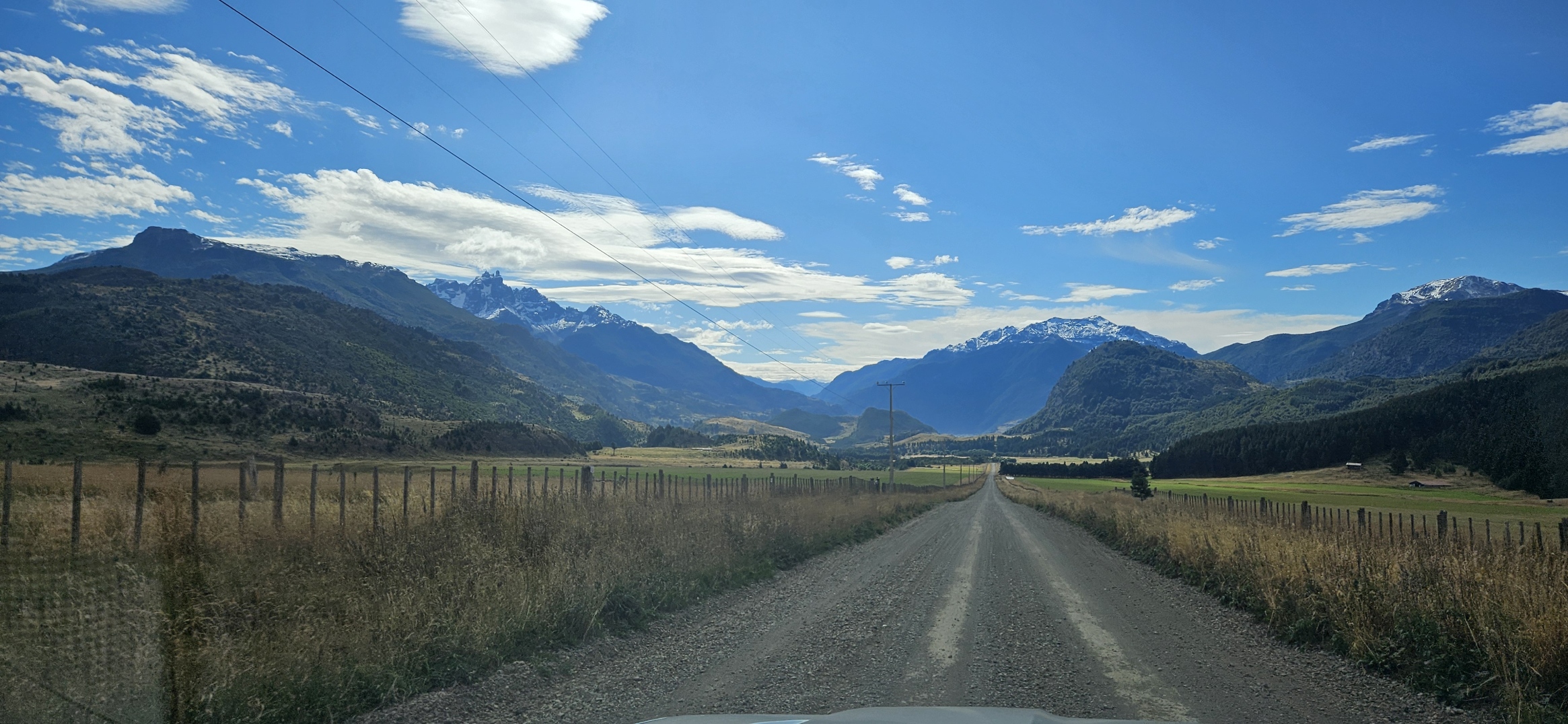
The Carretera Austral shows you the breadth of the continent. Torres del Paine teaches you the scale of its glaciers. But Aysén Fjord — you reach it only by water, only with a local captain, only with a group small enough to fit on one boat.
It doesn't show you Patagonia on the surface. It opens it from another angle.
You've chosen a start you won't need to replace.
This is the layer you sensed was there.
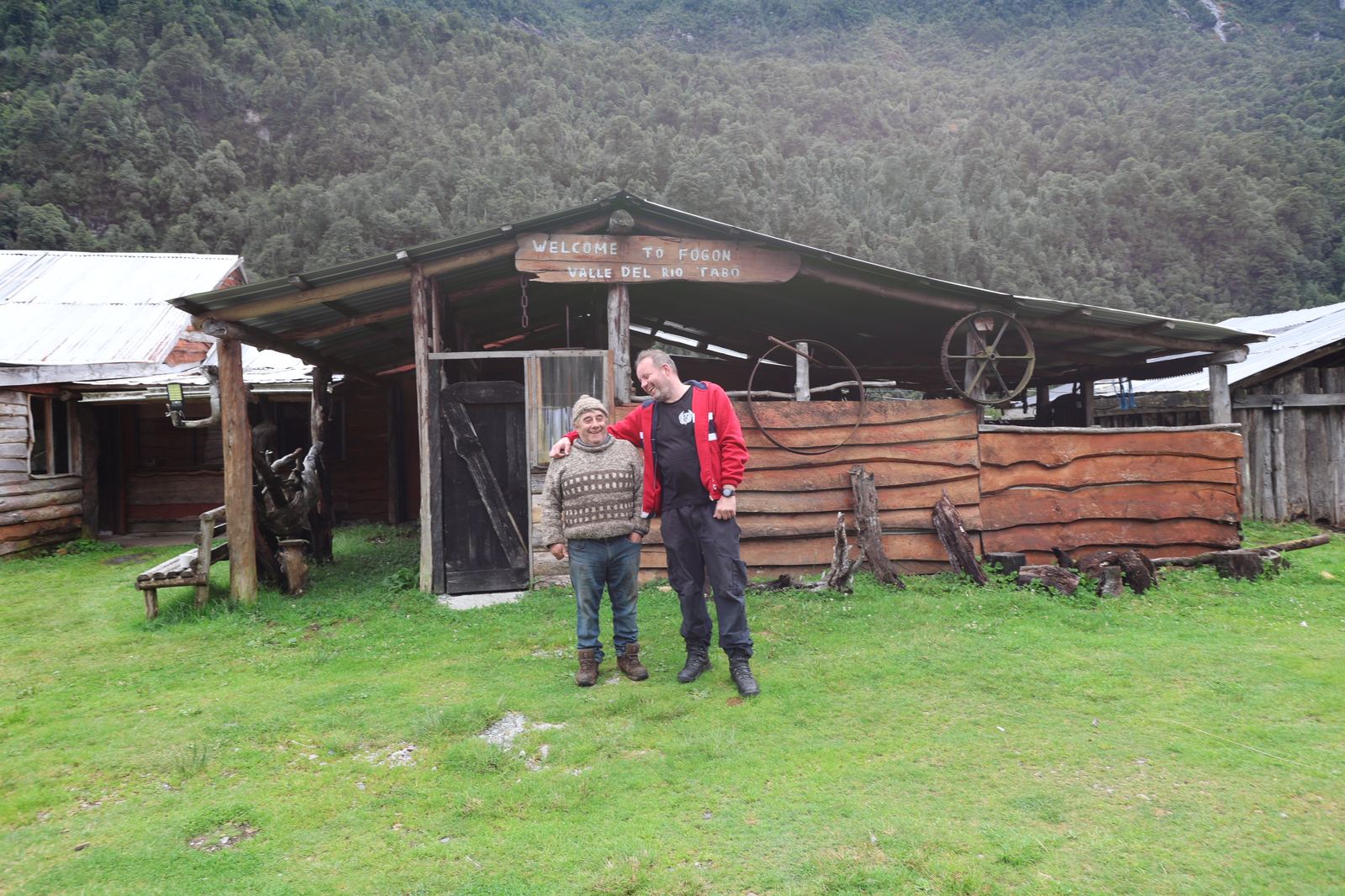
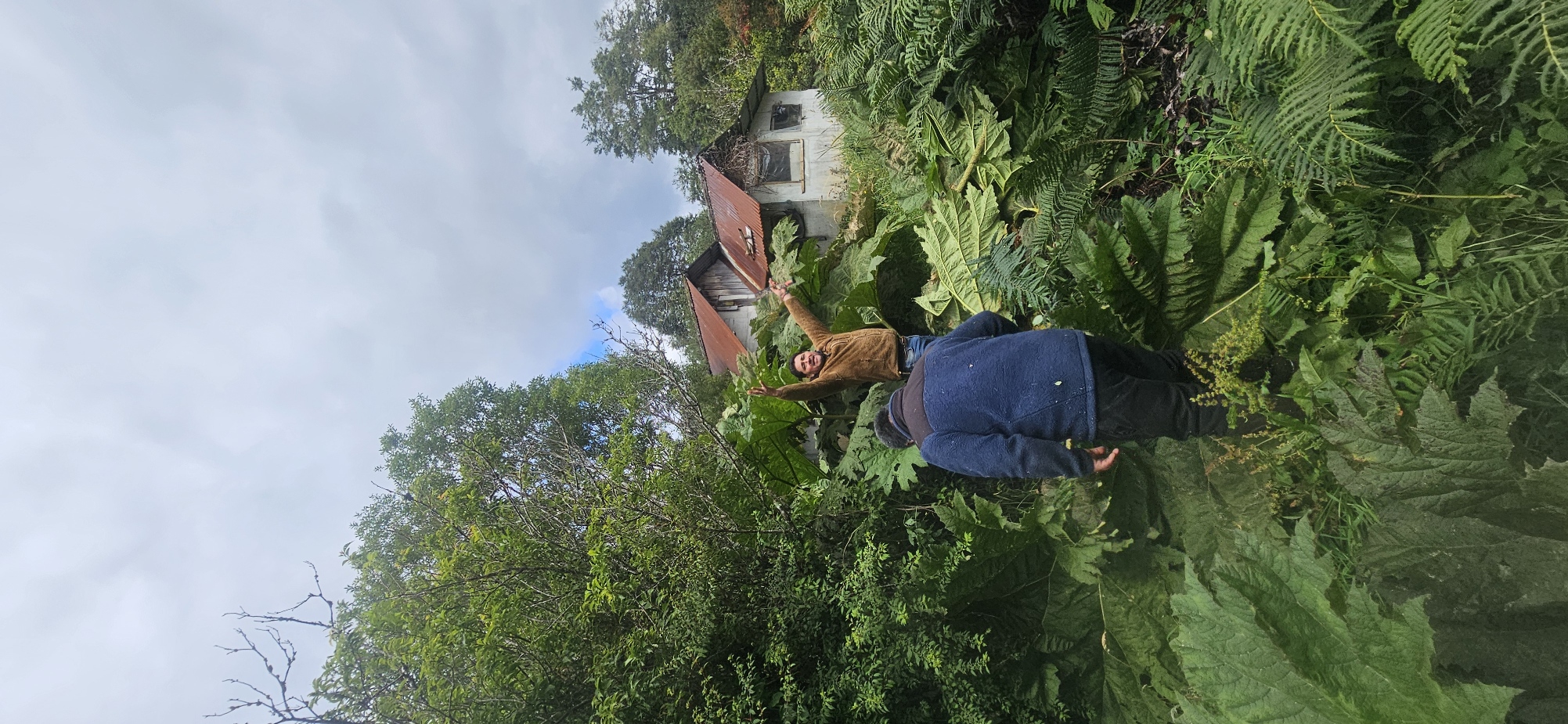
This is where my land stands — deep inside Aysén Fjord. A road takes you to the fjord's mouth; beyond that, only a boat, and not a tourist one. When you step off, it's jungle and machetes — the kind of adventure we had as little boys and girls, and have long since forgotten. Filmed by me, in February, during the first scouting trip. This is what Aysén looks like when no one else is there.
Authentic footage from the Aysén region, Chilean Patagonia.
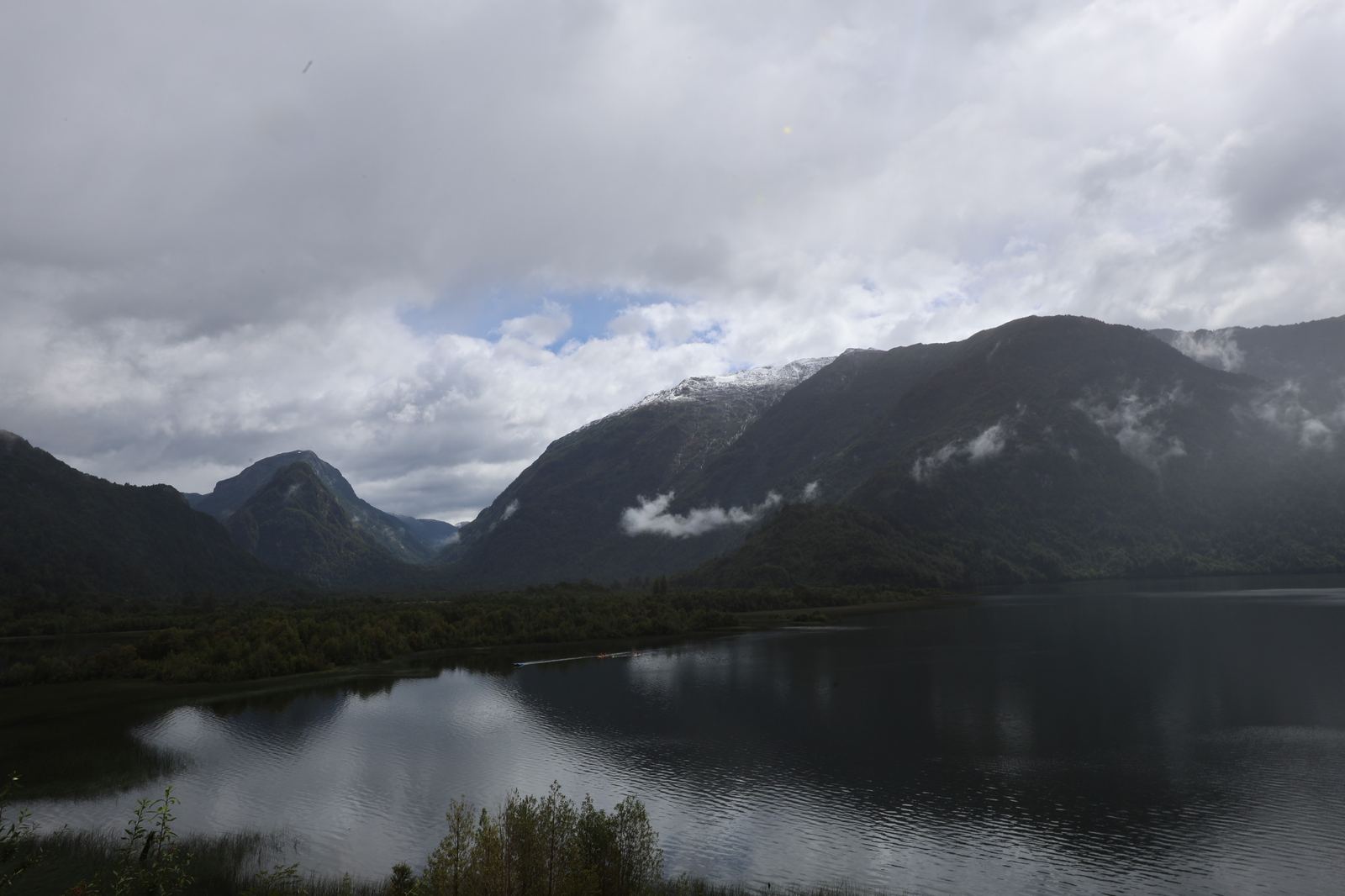
Patagonia is a continent writ large. The Aysén Region is Patagonia concentrated.
Six distinct landscape types — fjord, glacier, temperate rainforest, alpine steppe, thermal springs, open Pacific — in a single loop you cover on foot, by boat, and on horseback in twelve days. Nowhere else in Patagonia sits this tightly together.
For some, this is a first encounter with Patagonia. For others, a fifth trip that finally makes sense.
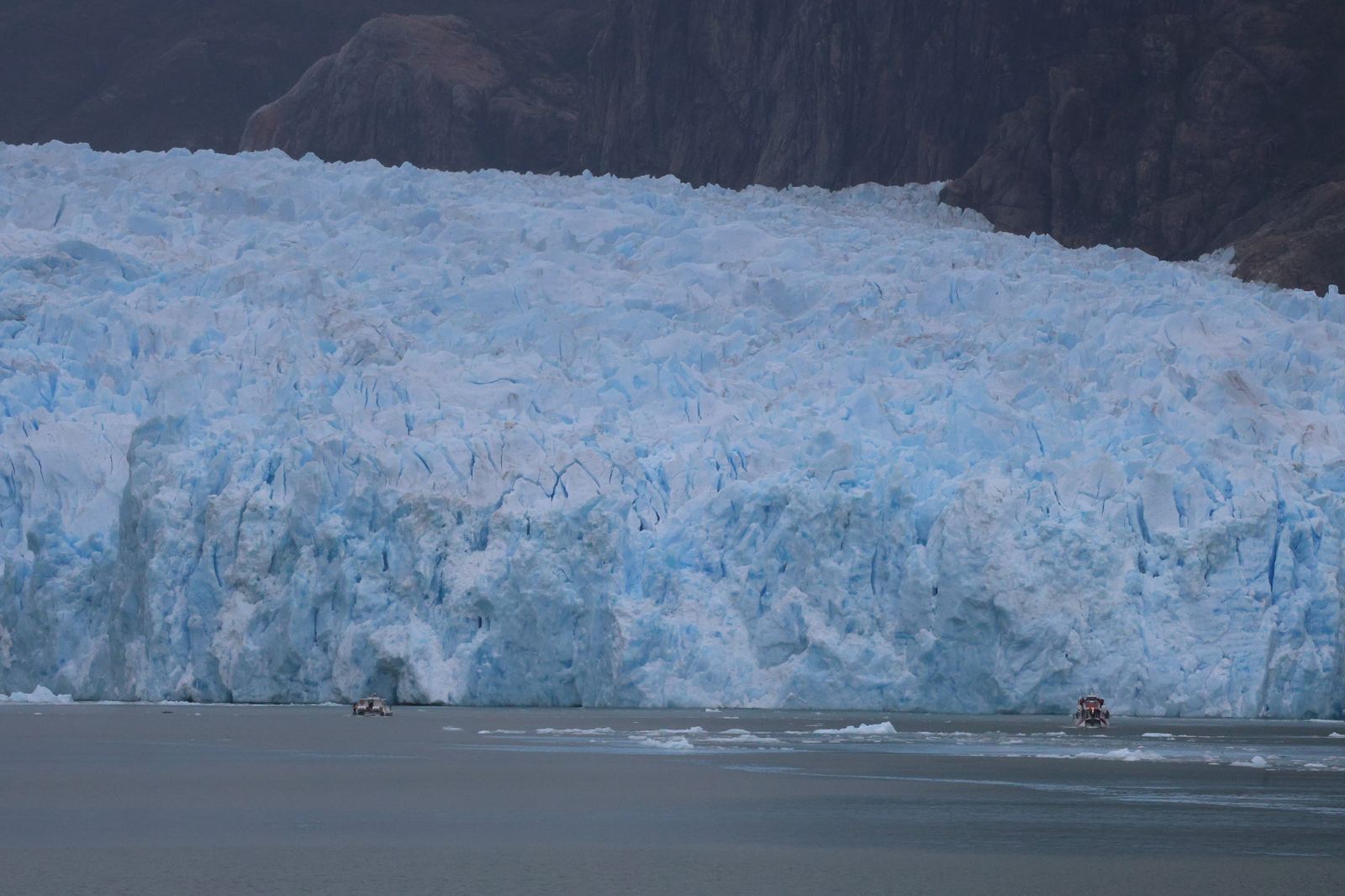
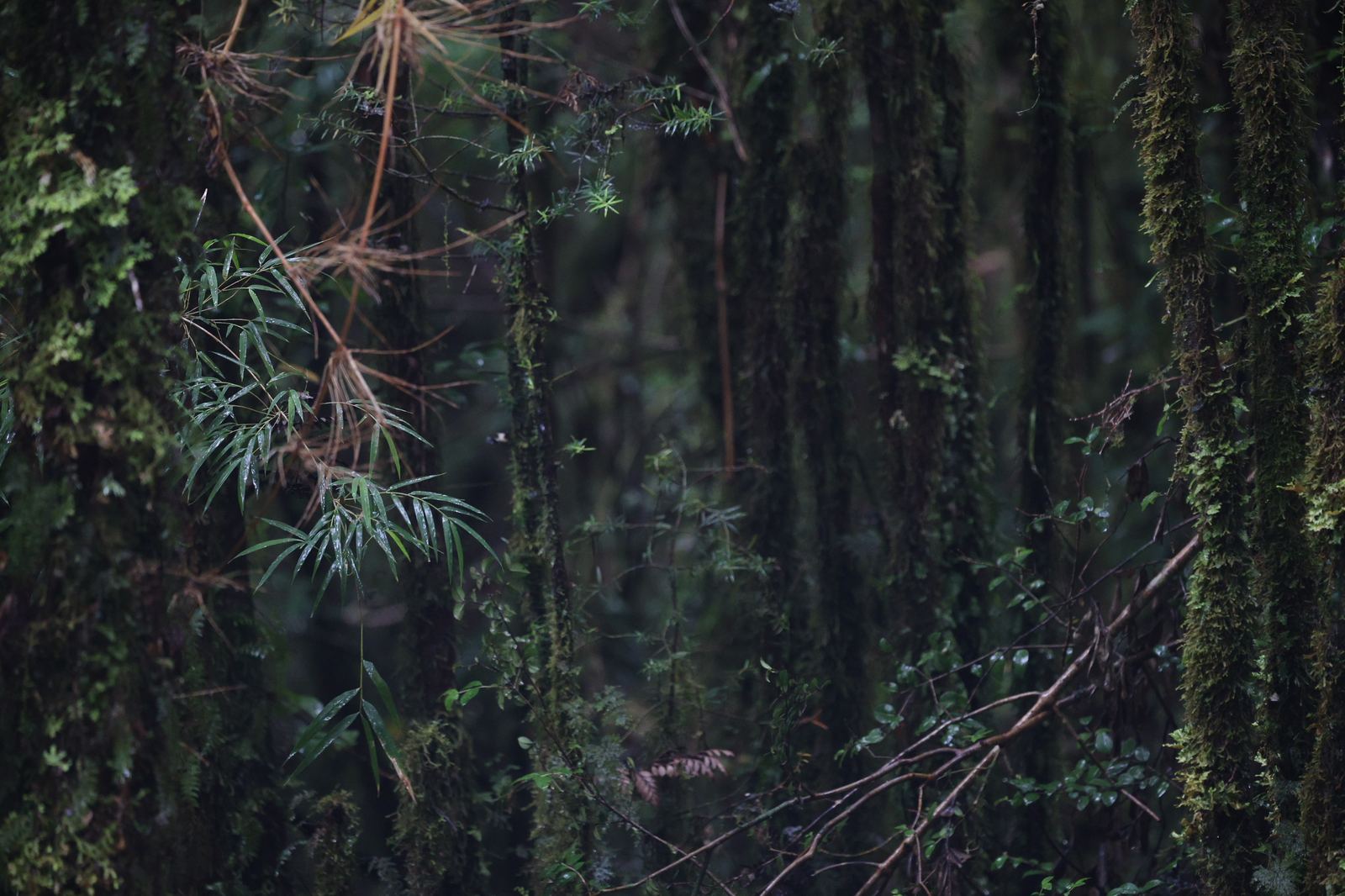
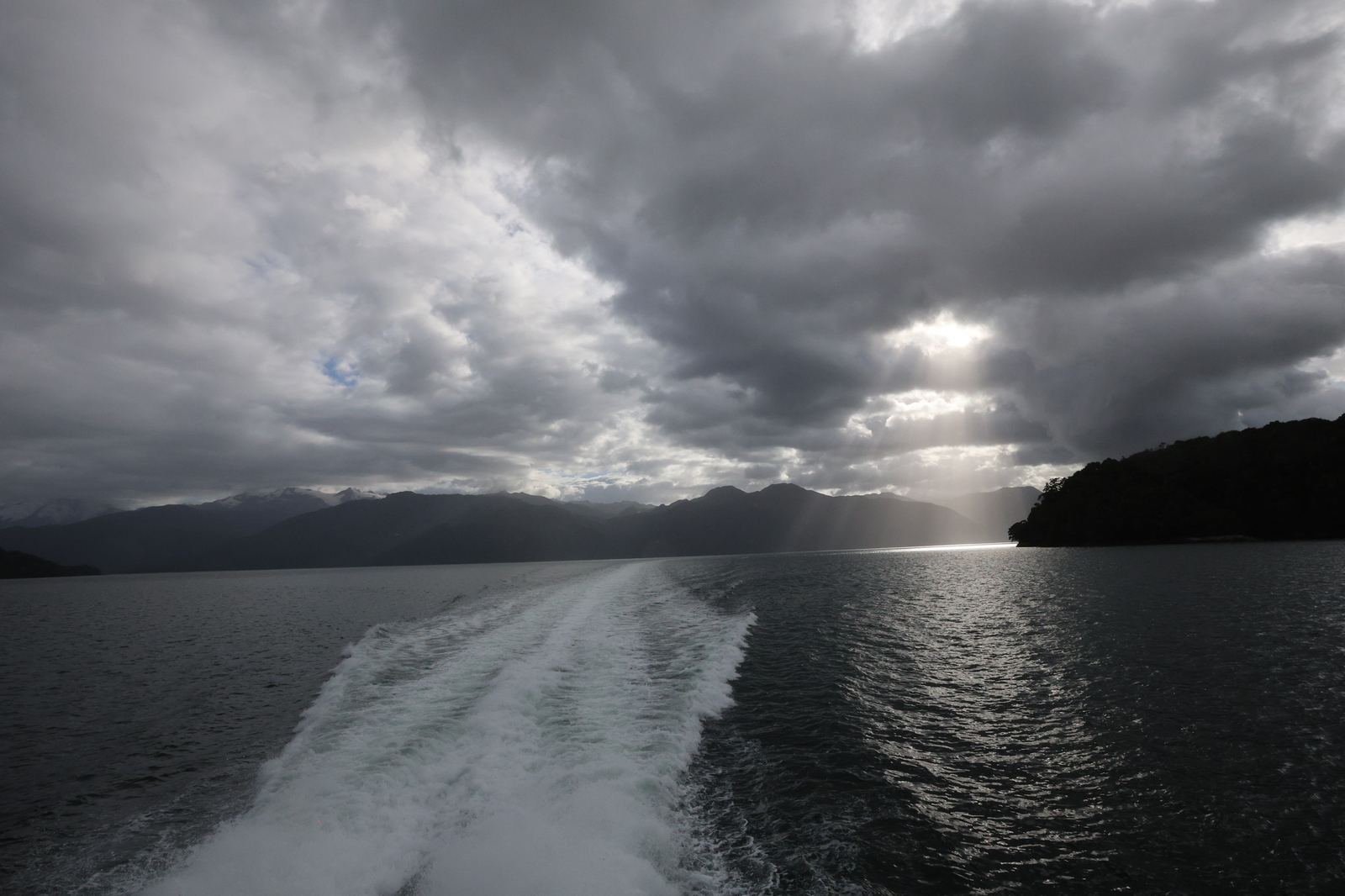
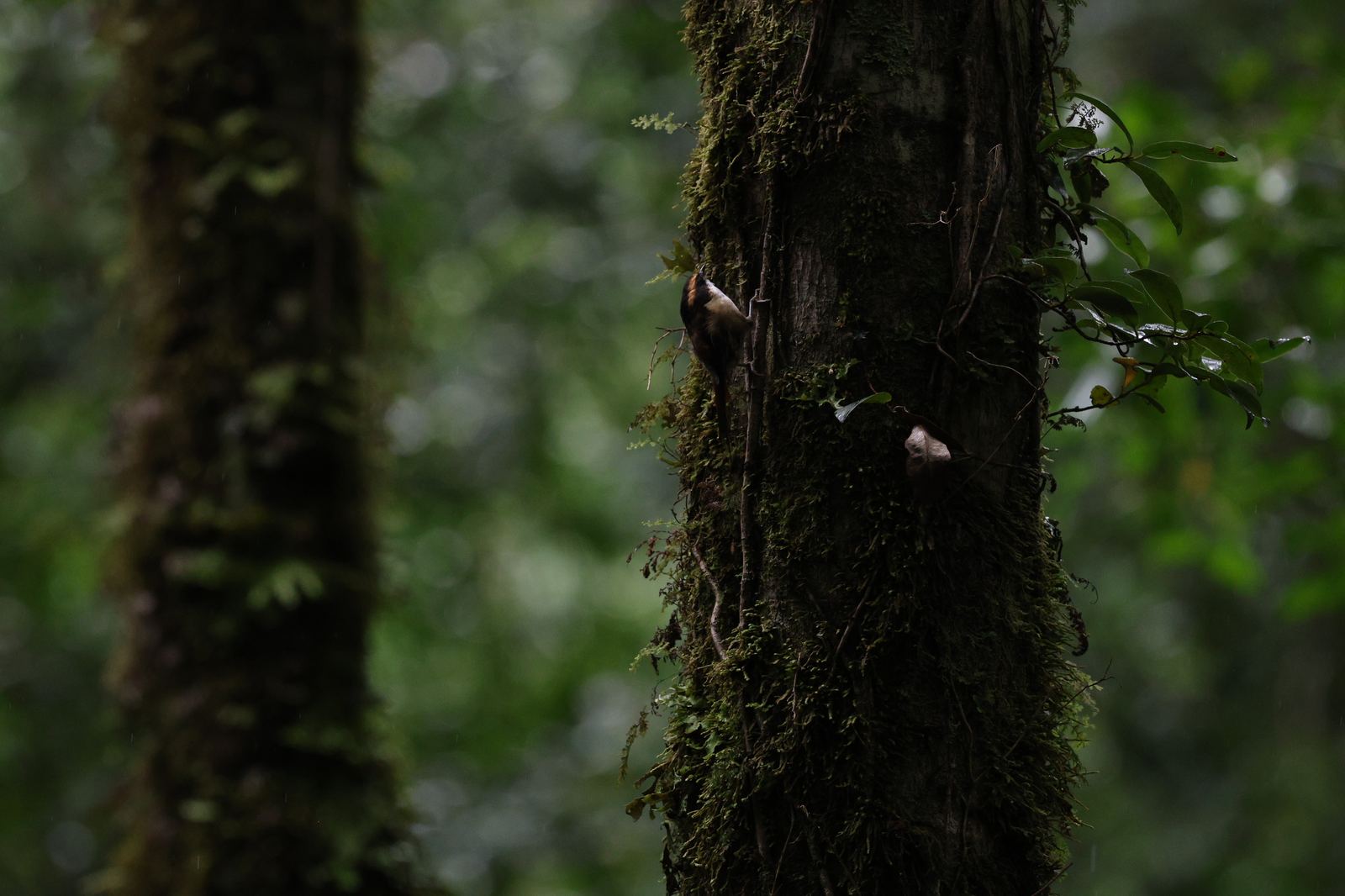
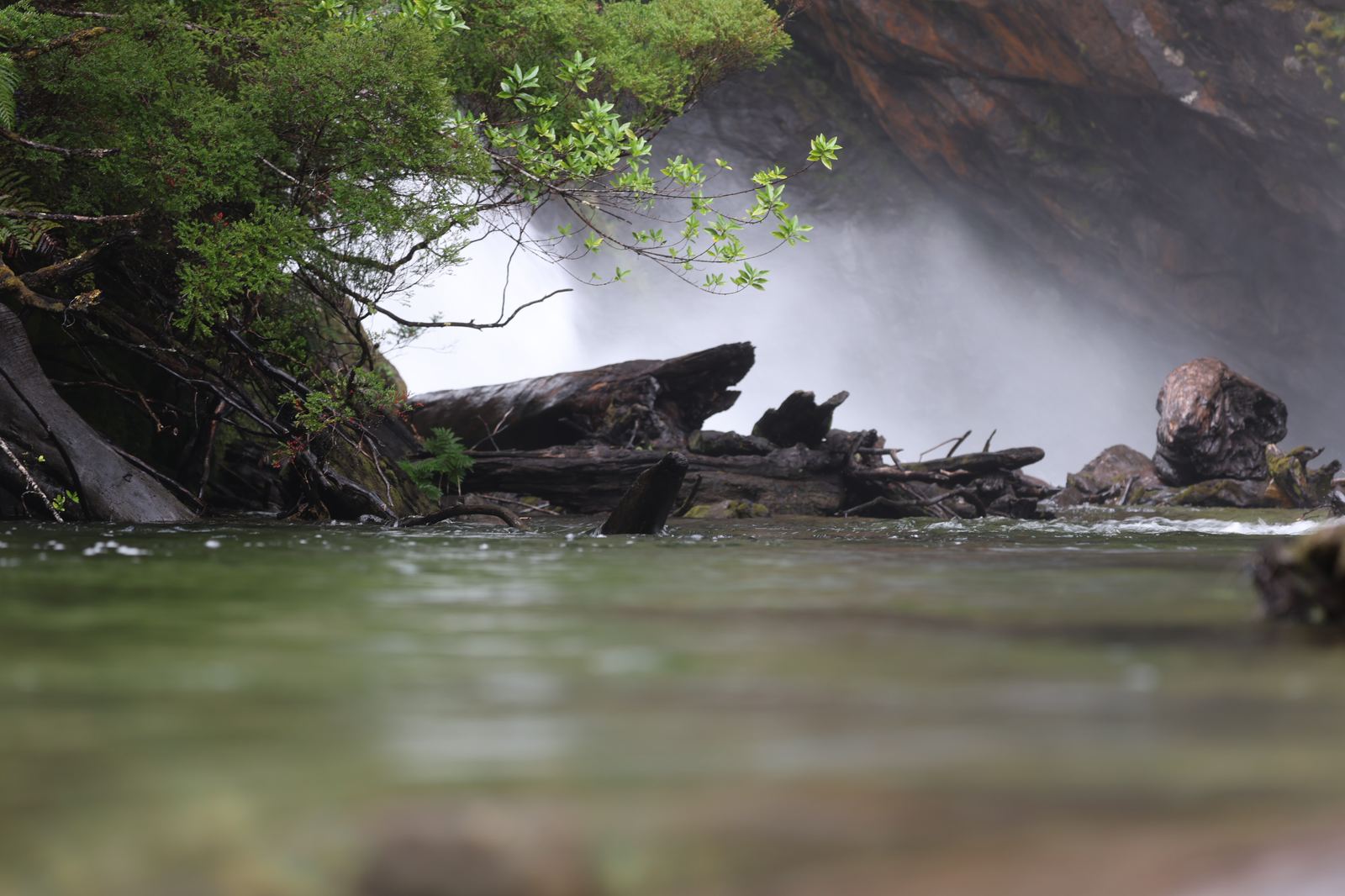
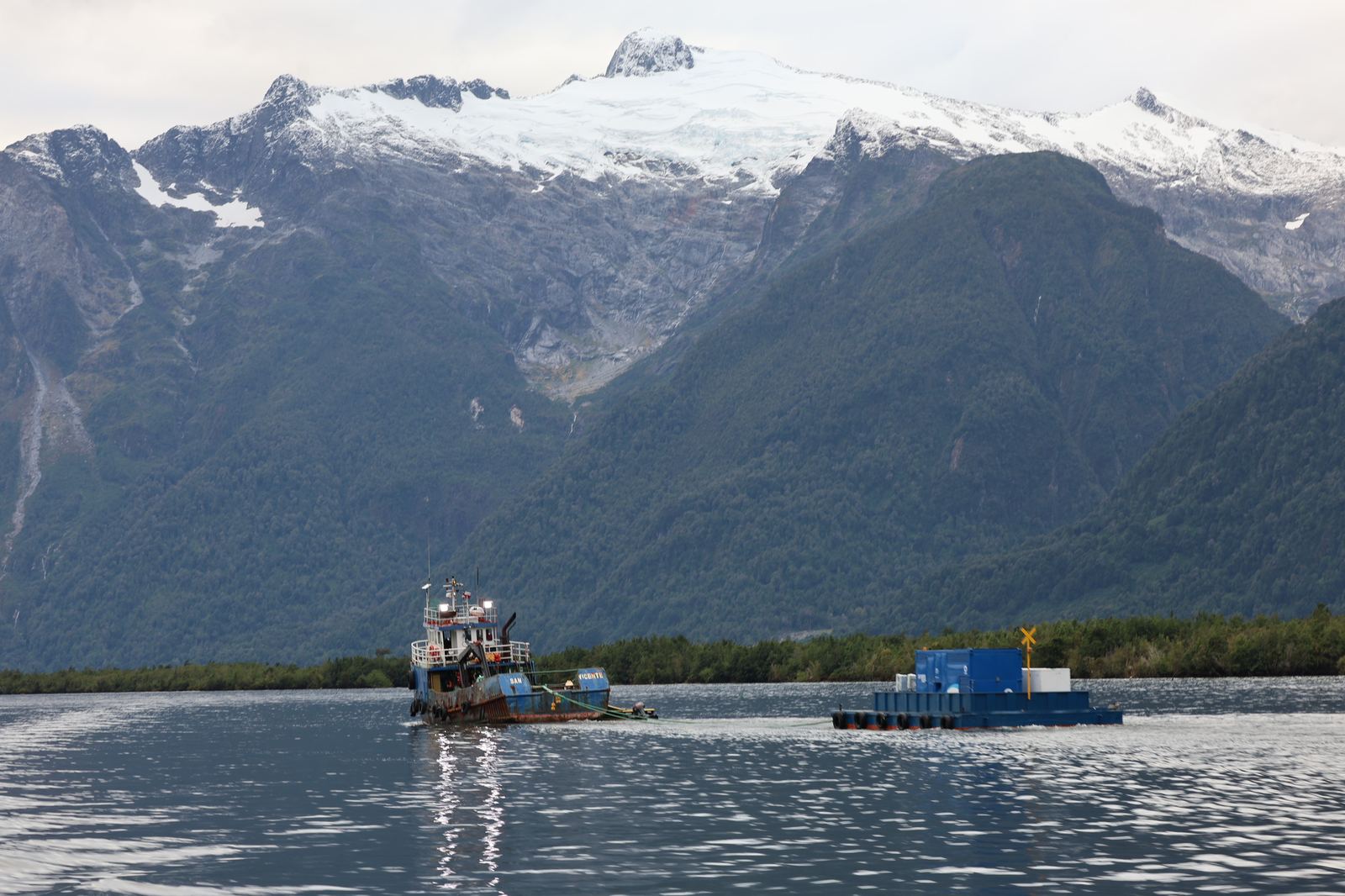
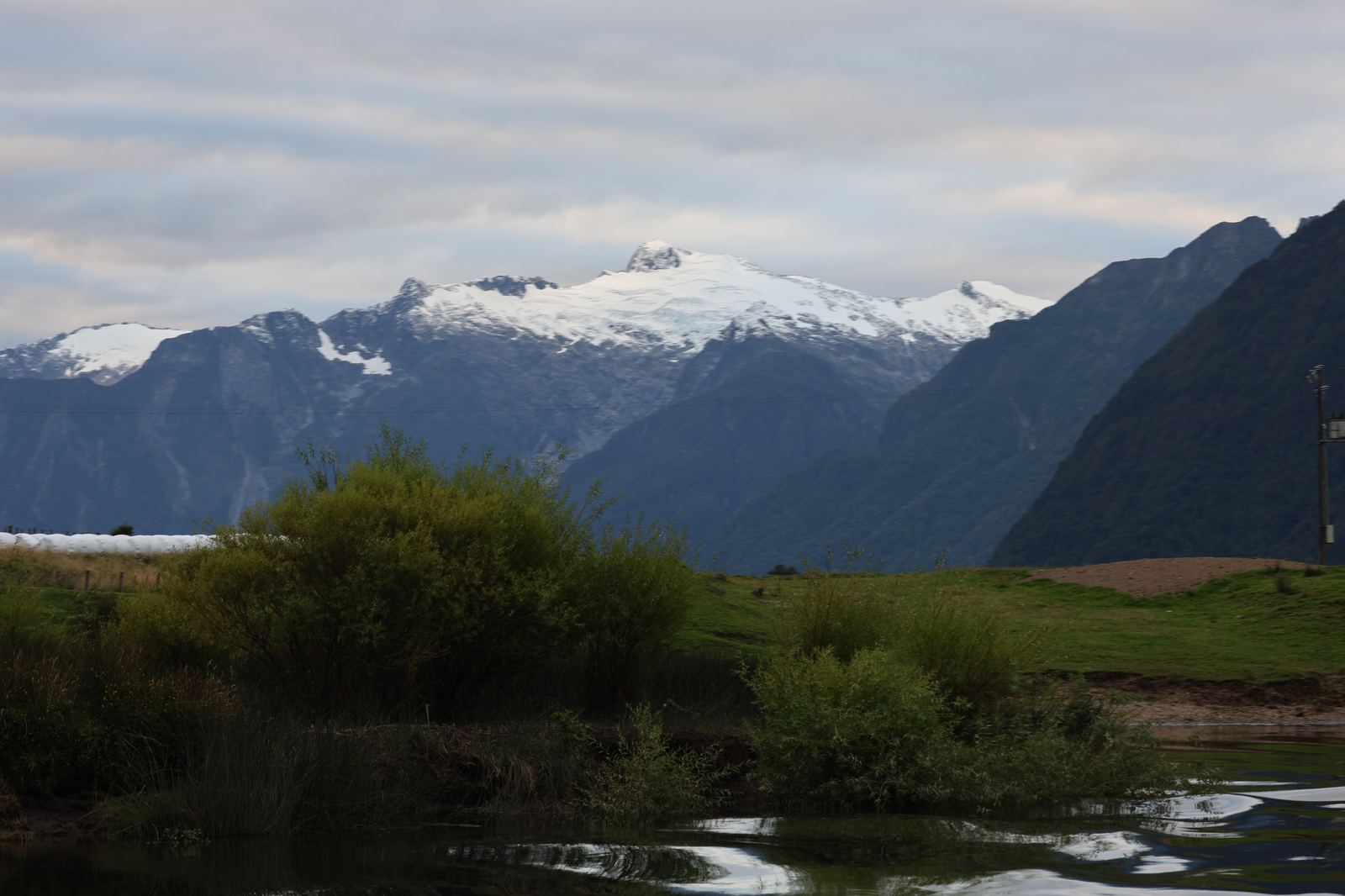
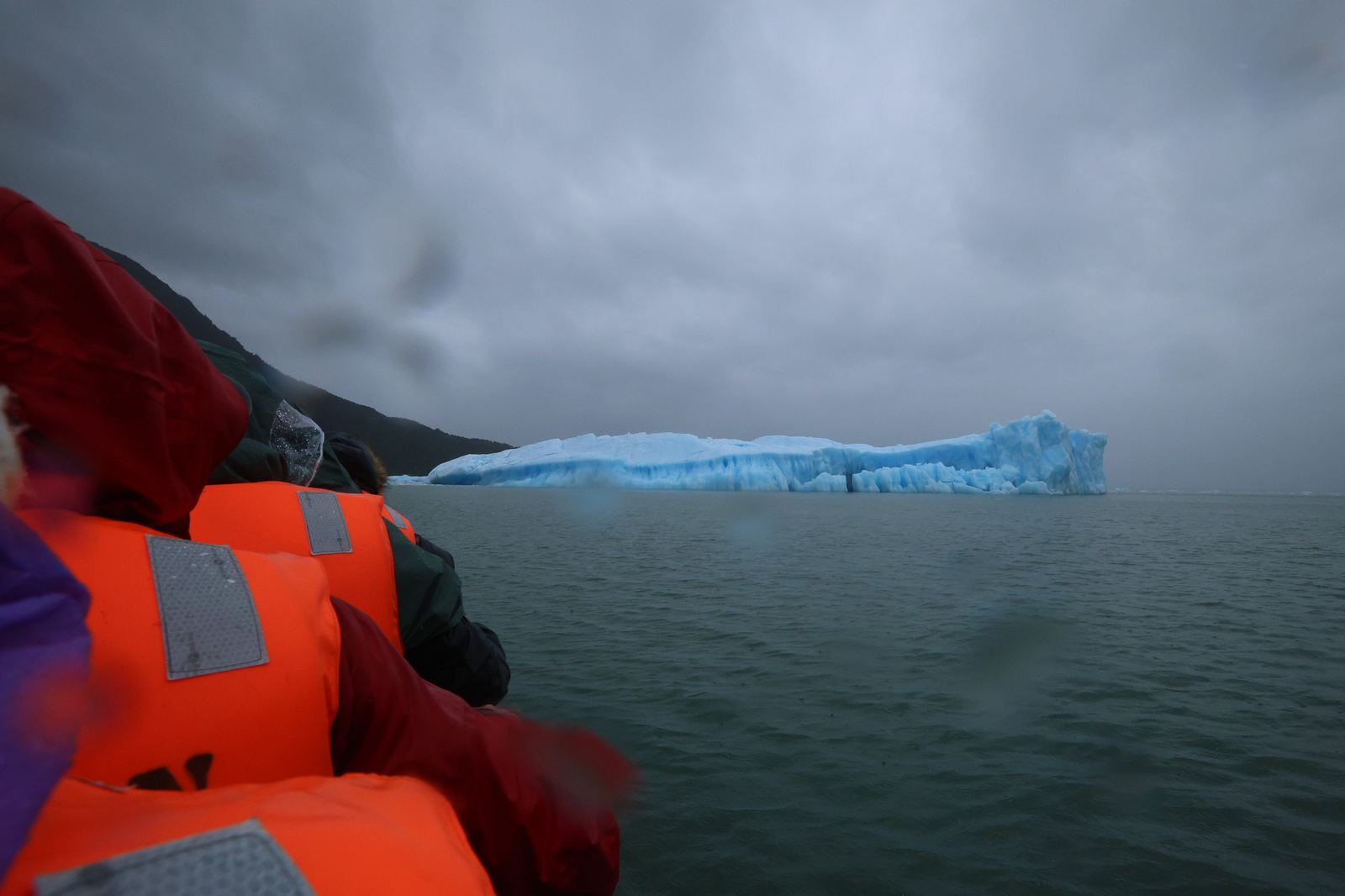
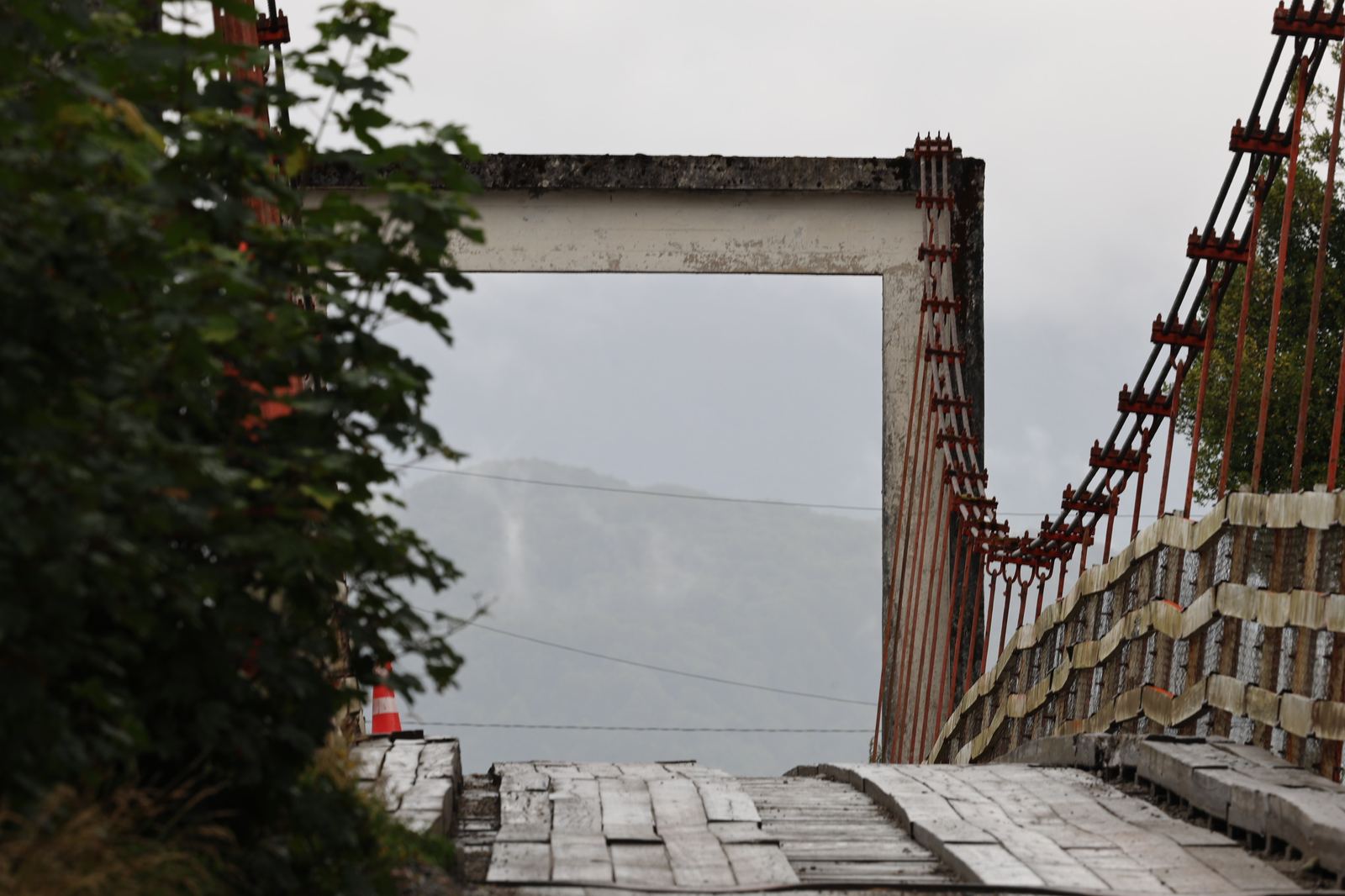
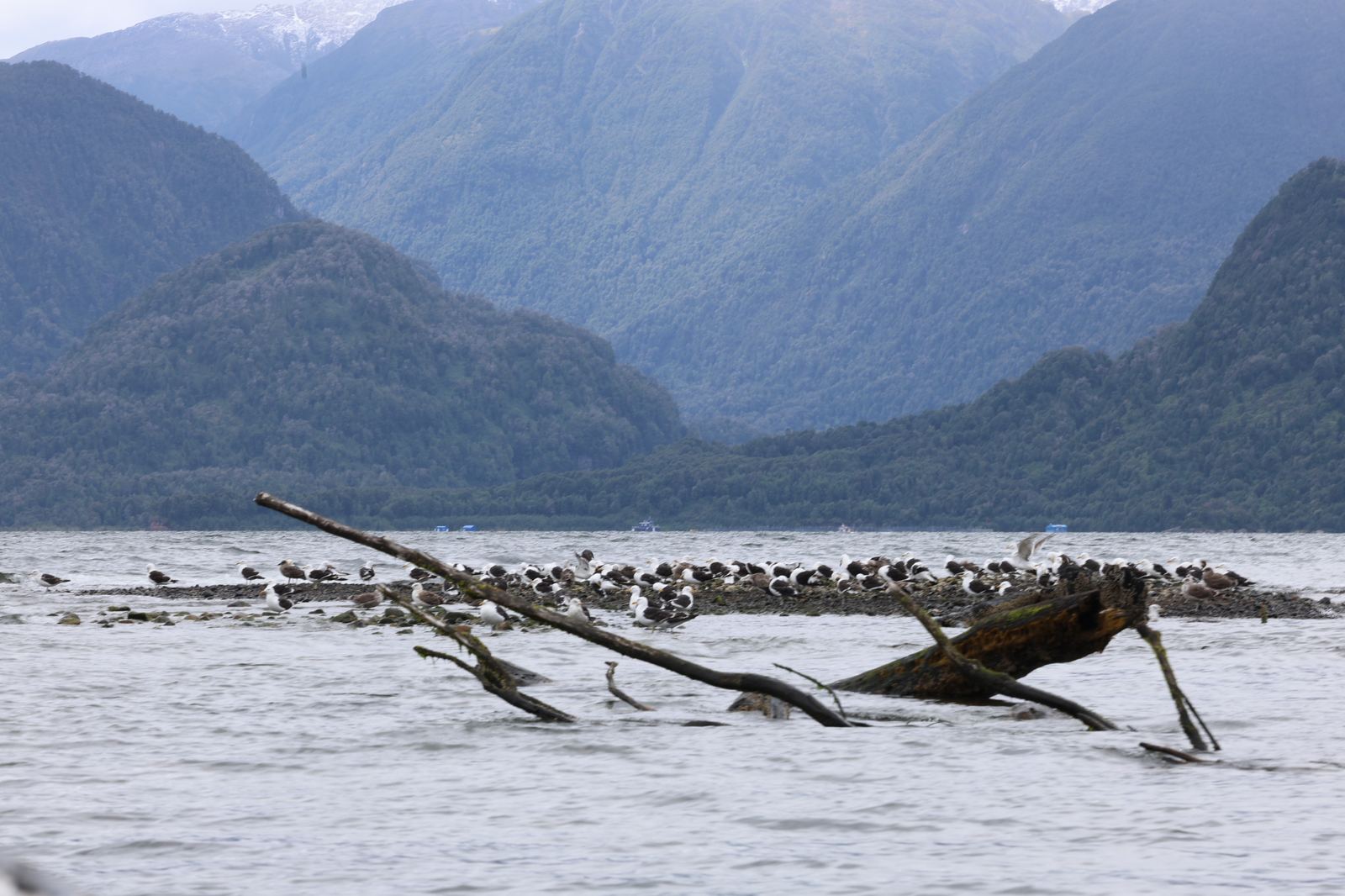
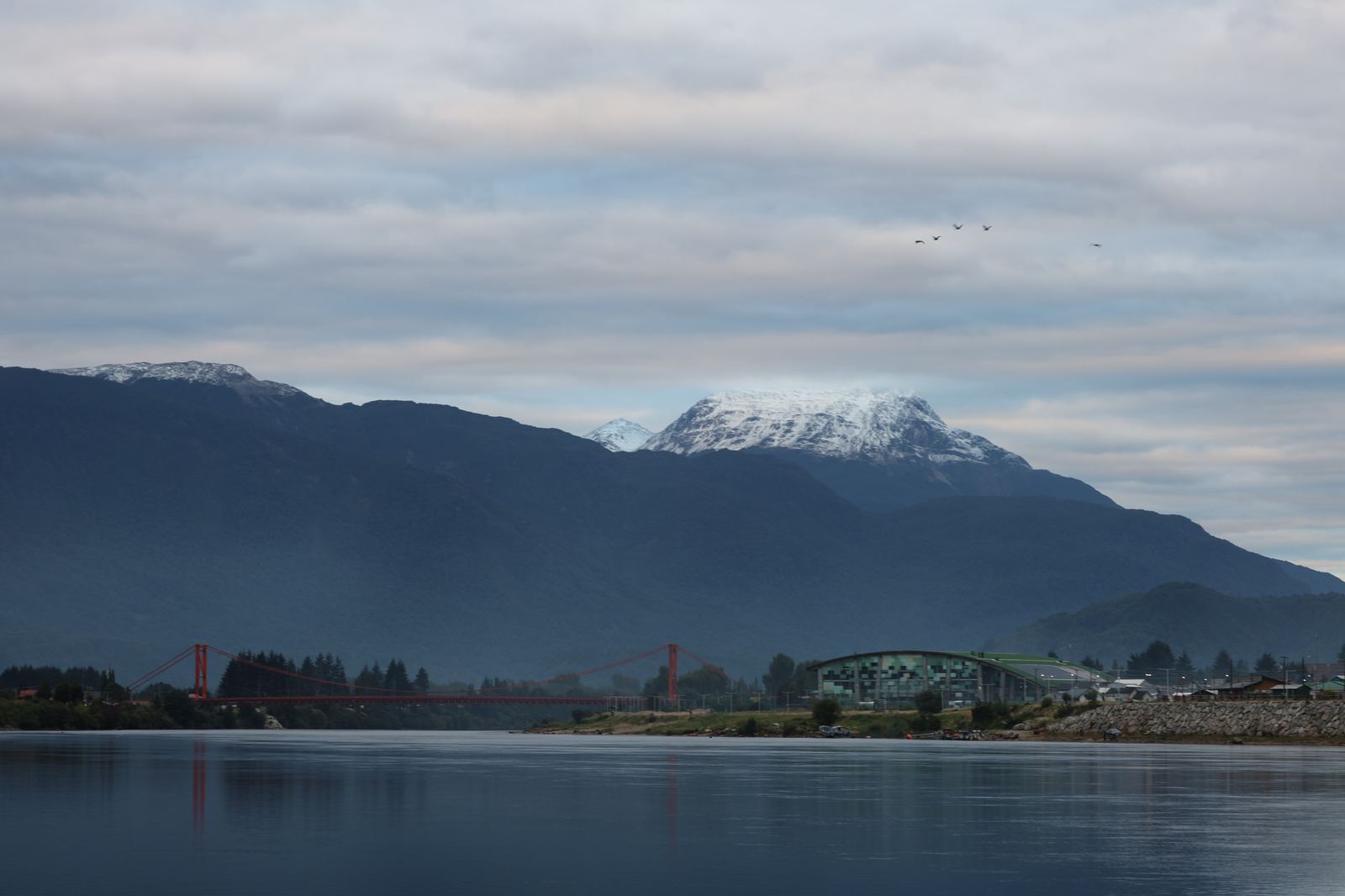
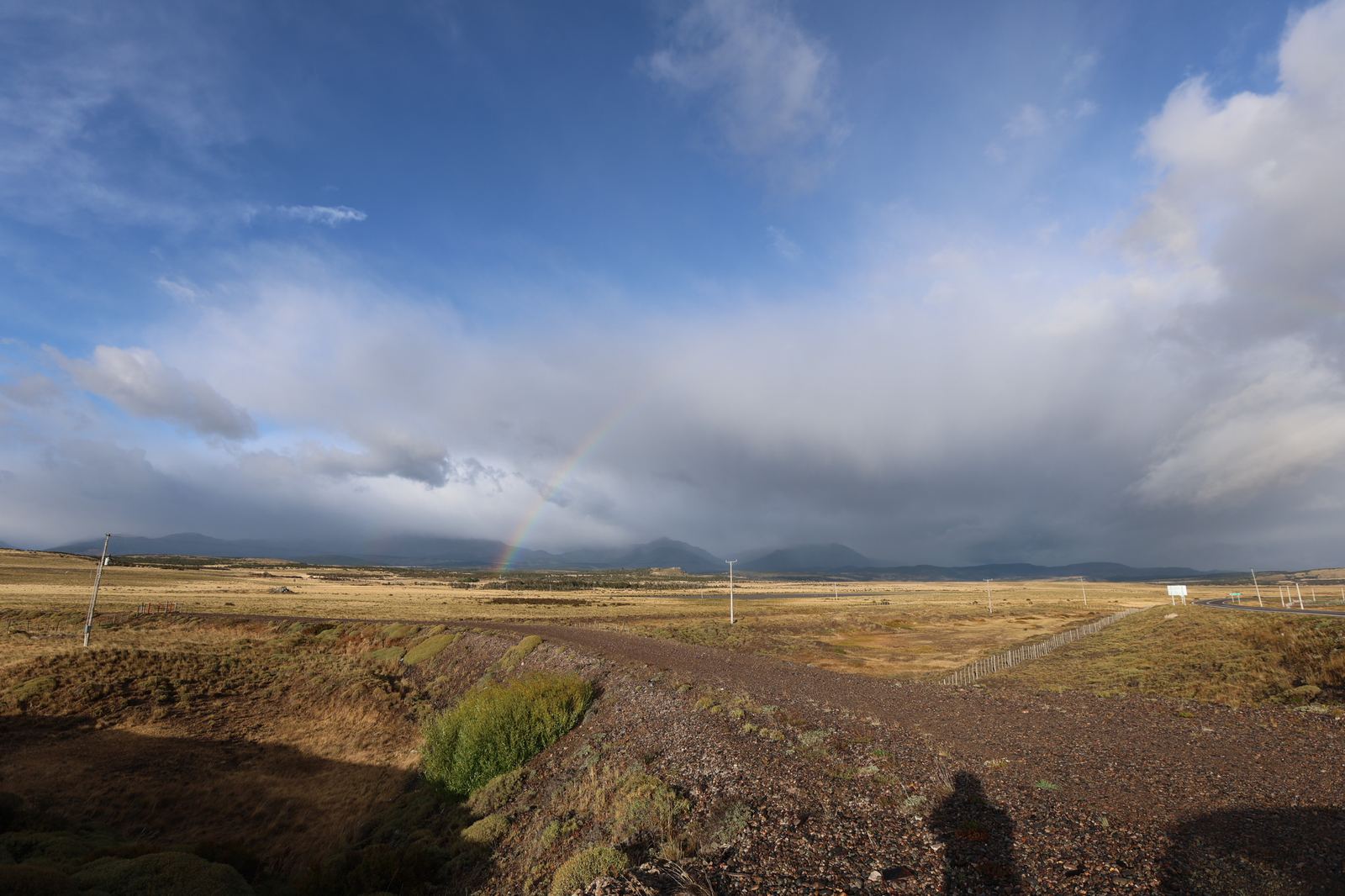
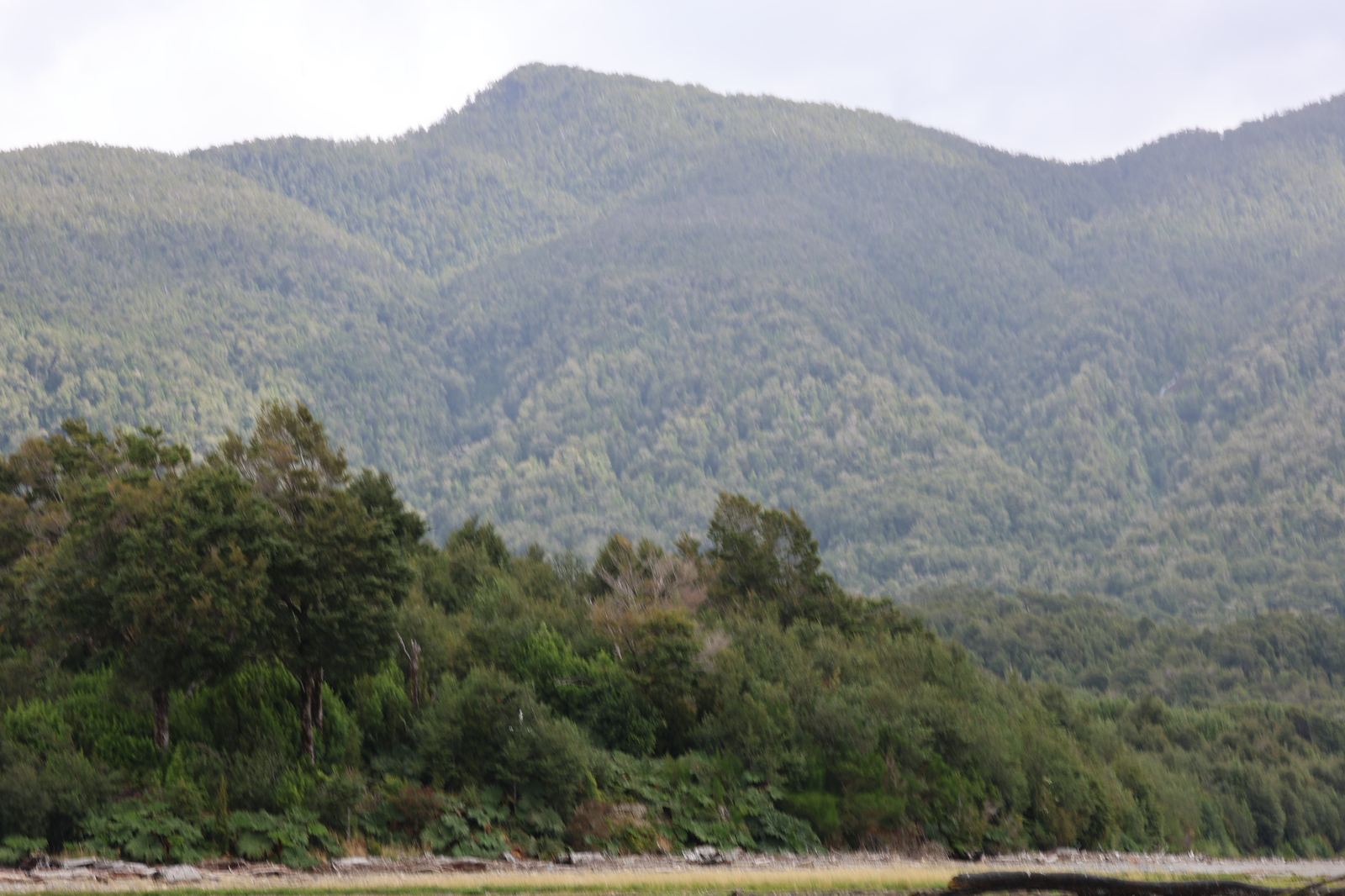
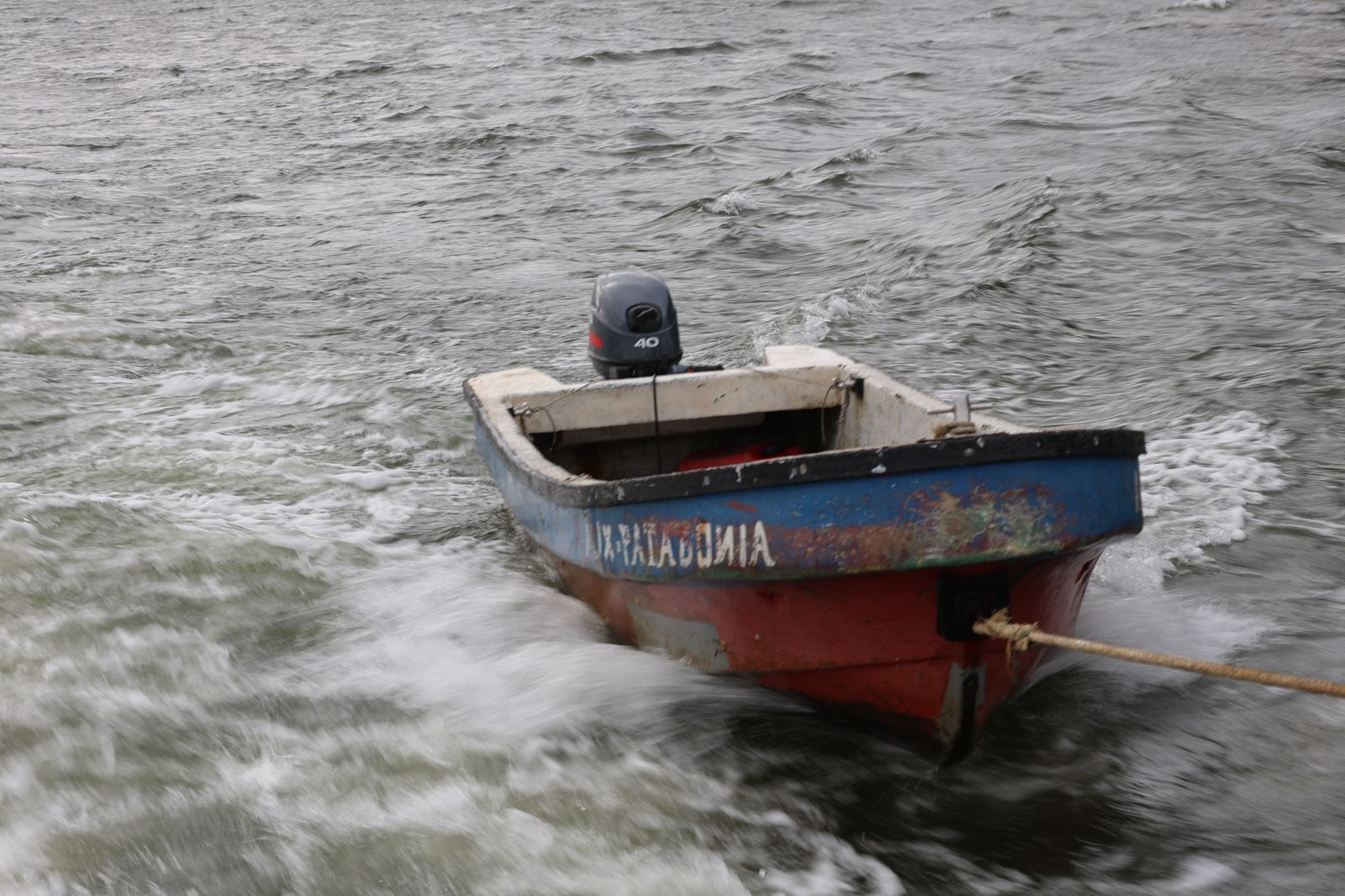
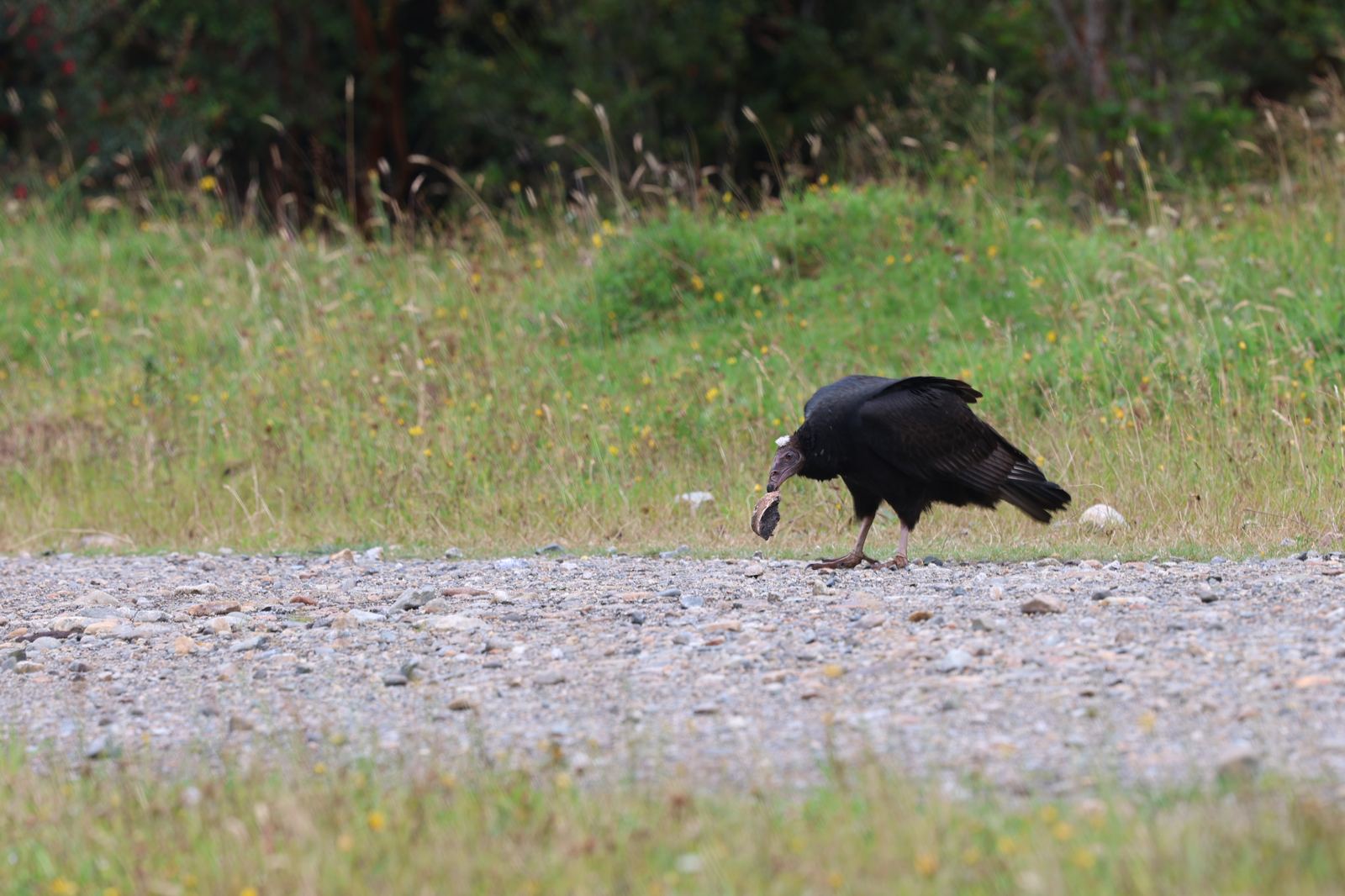
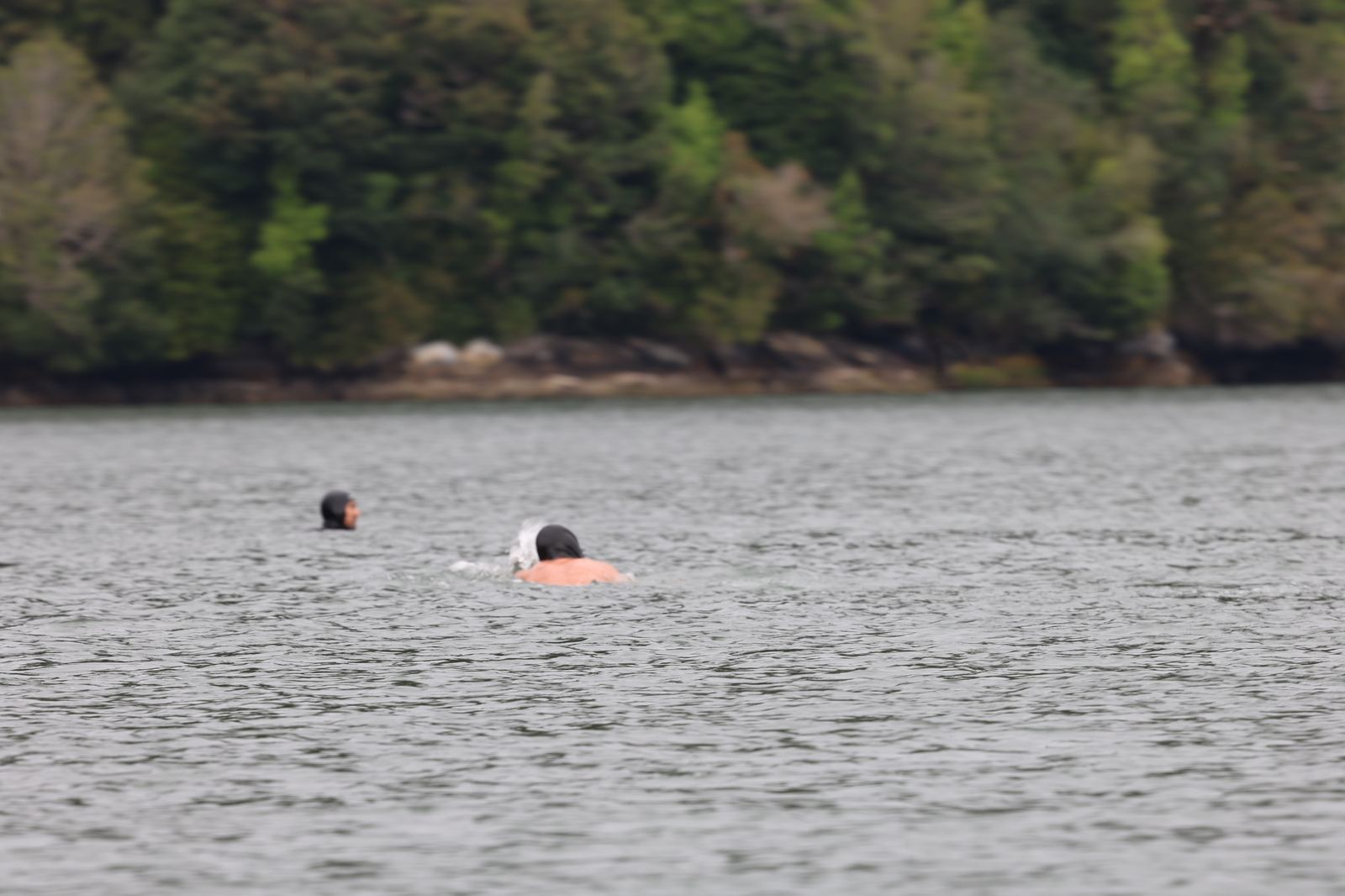
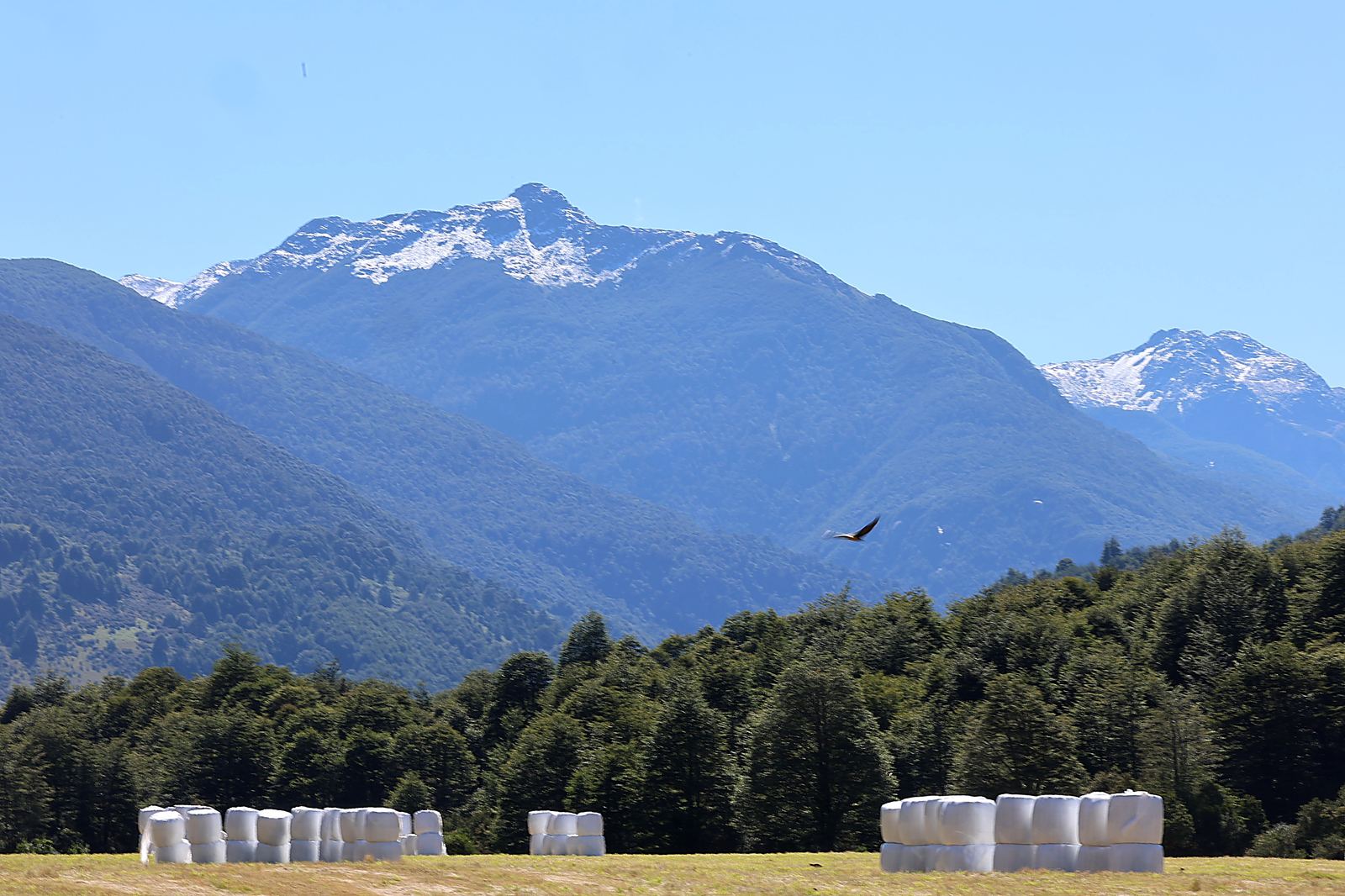
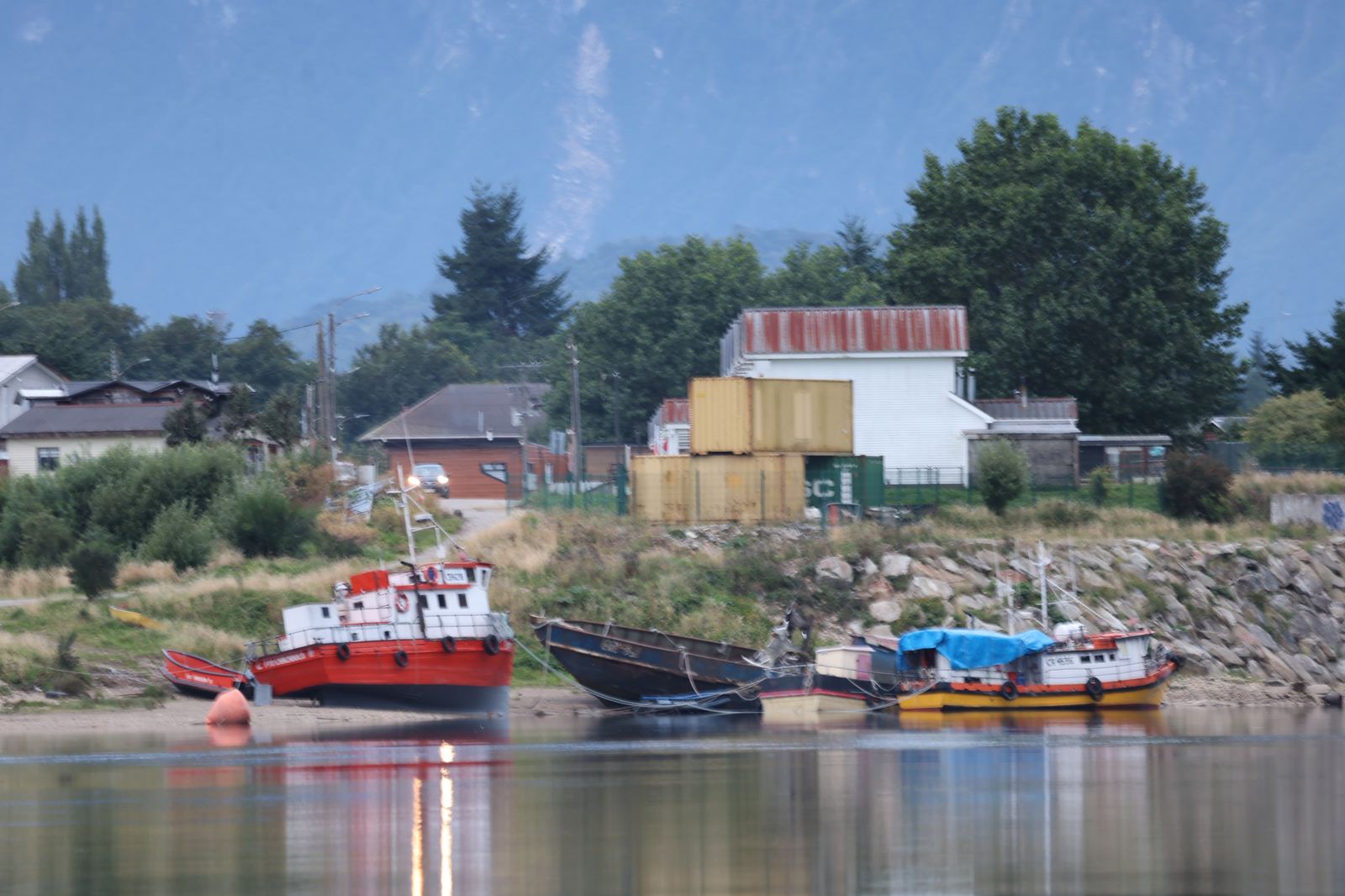
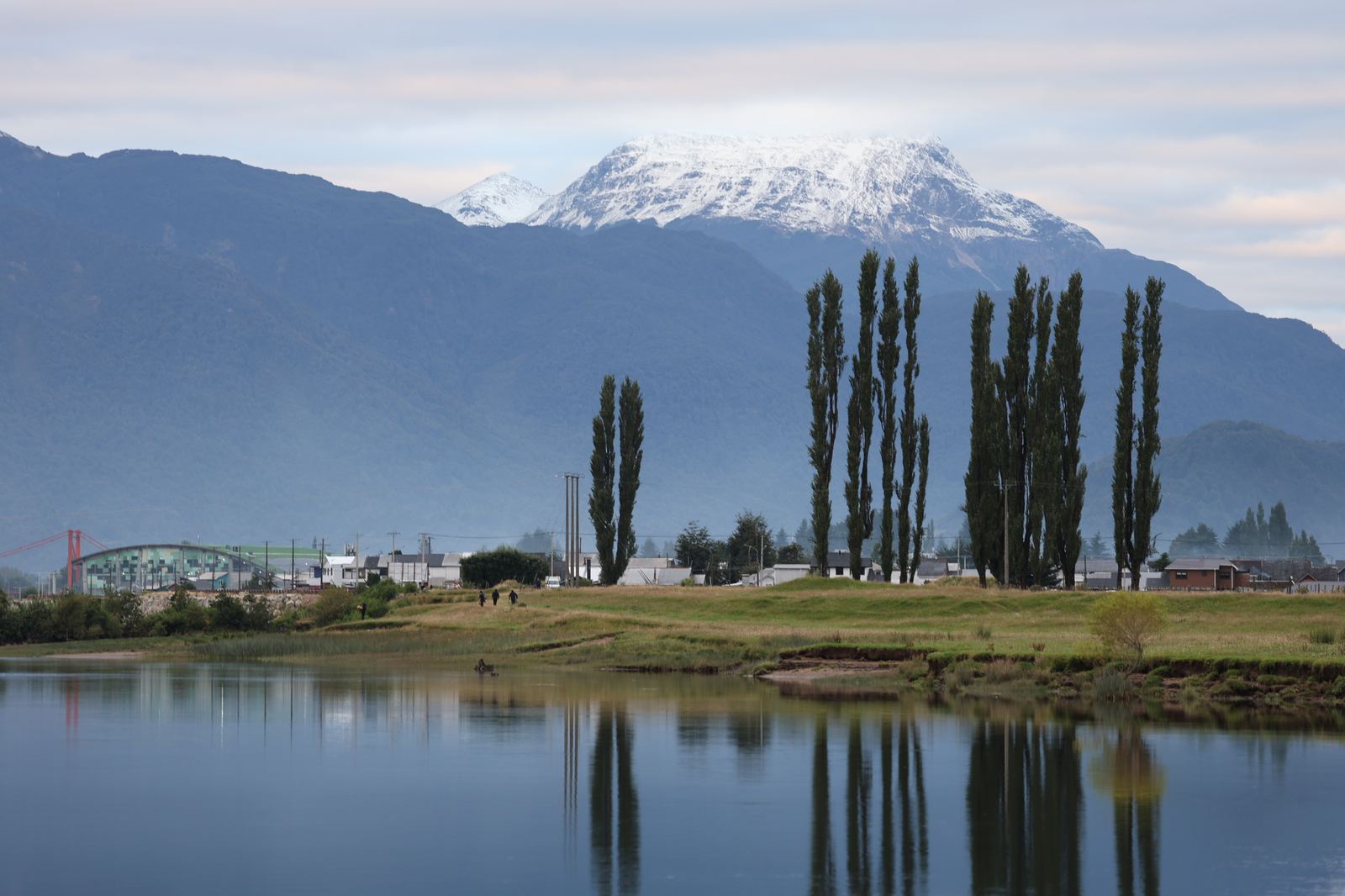
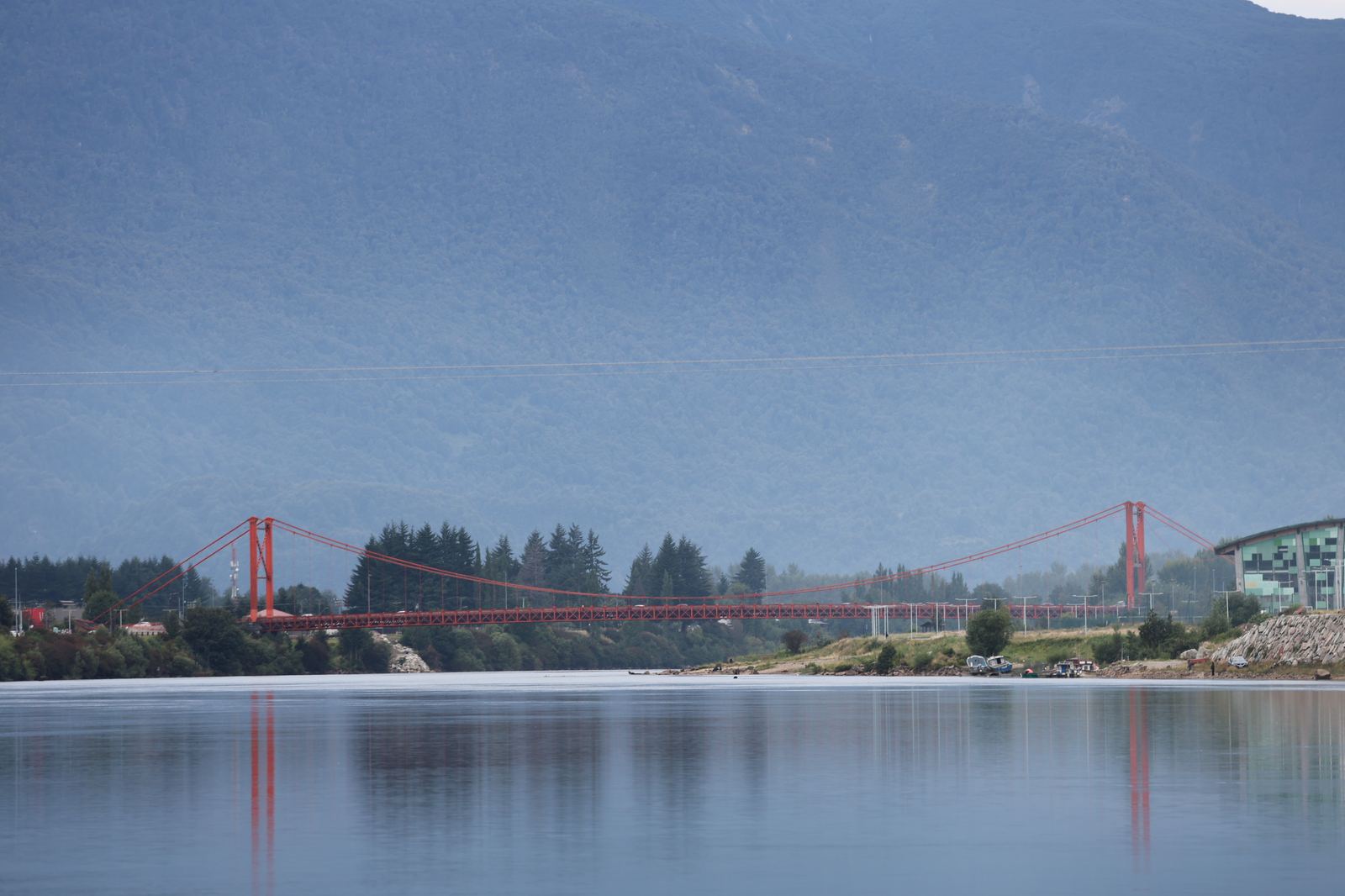
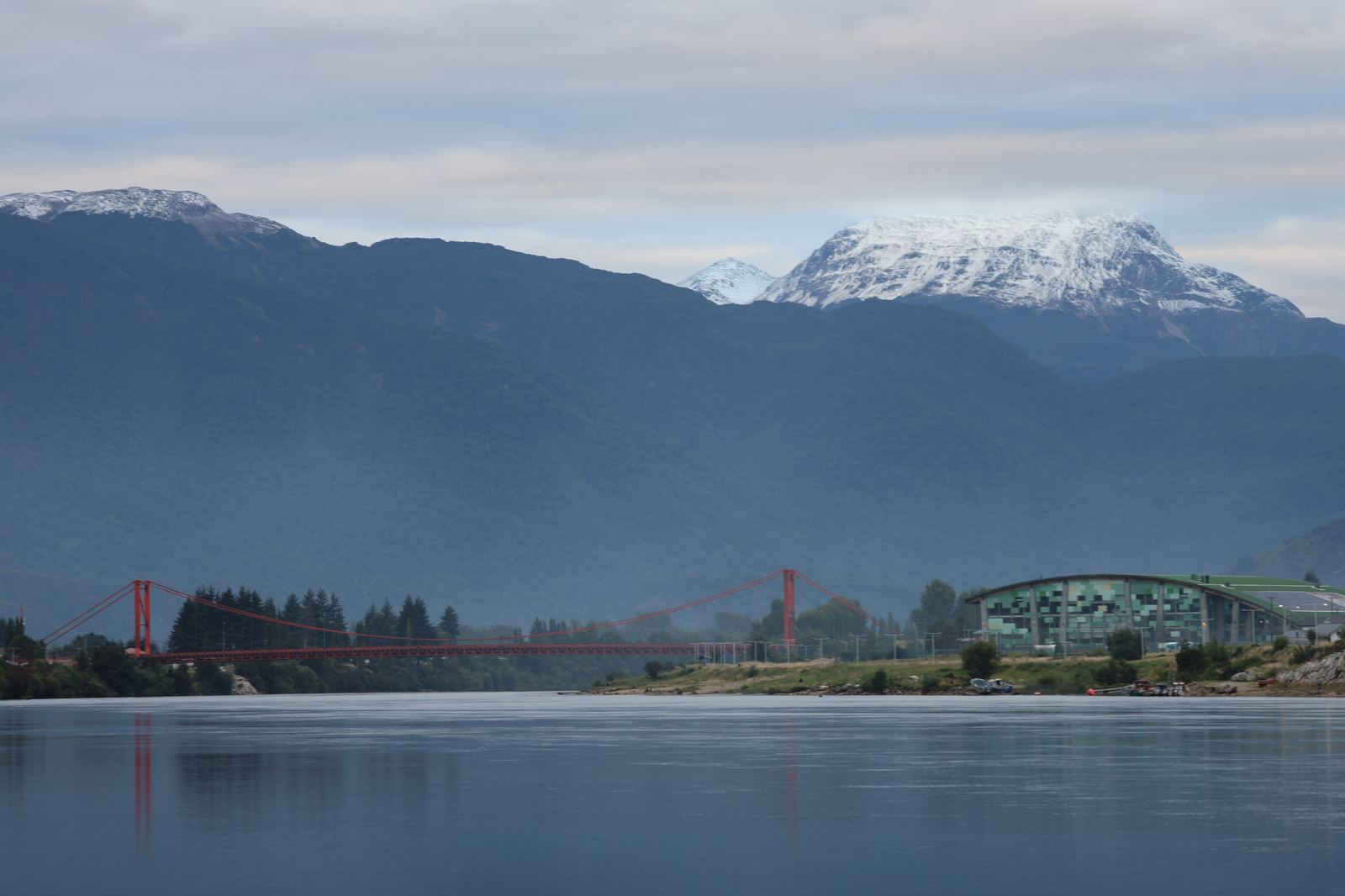
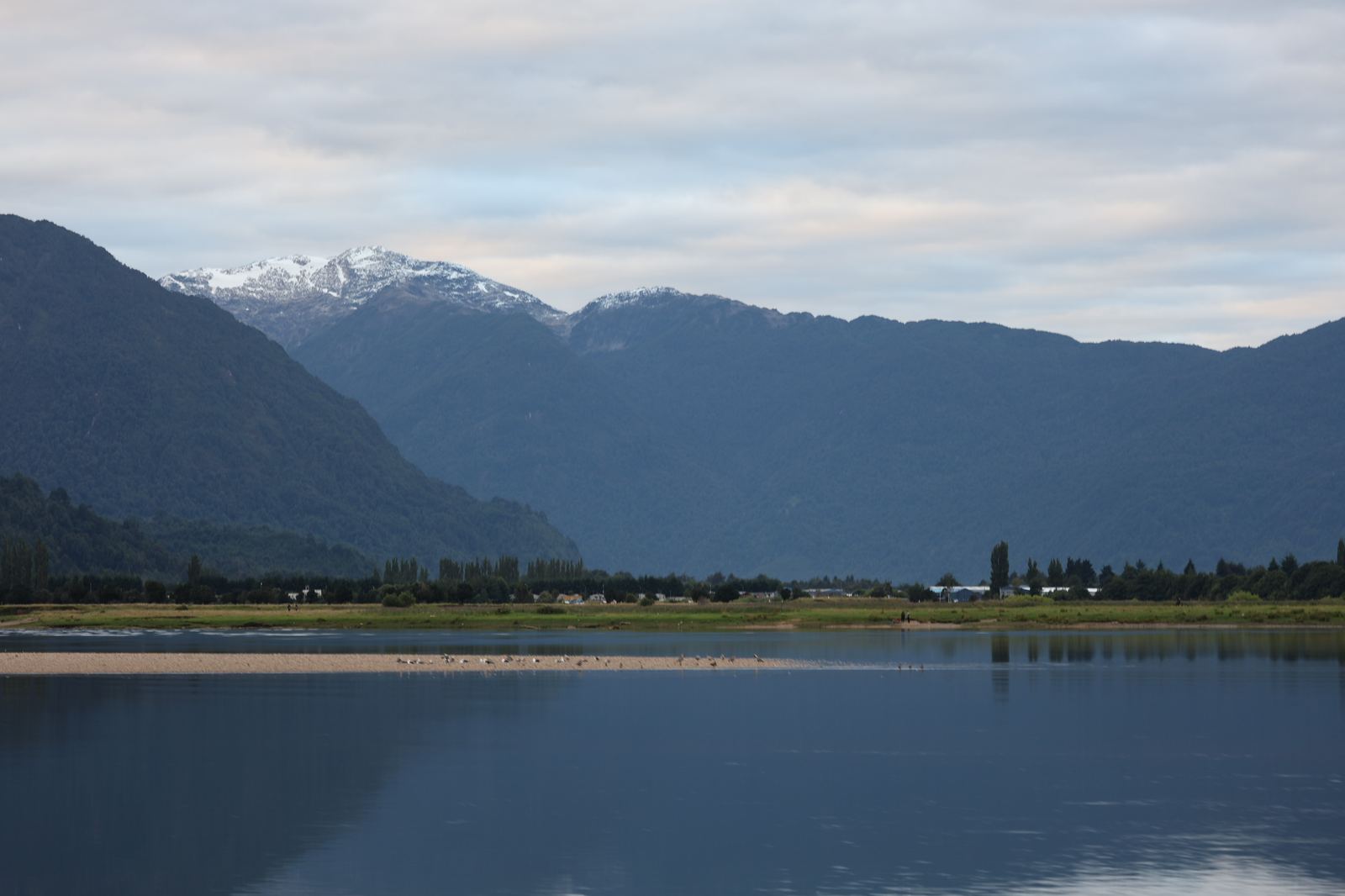
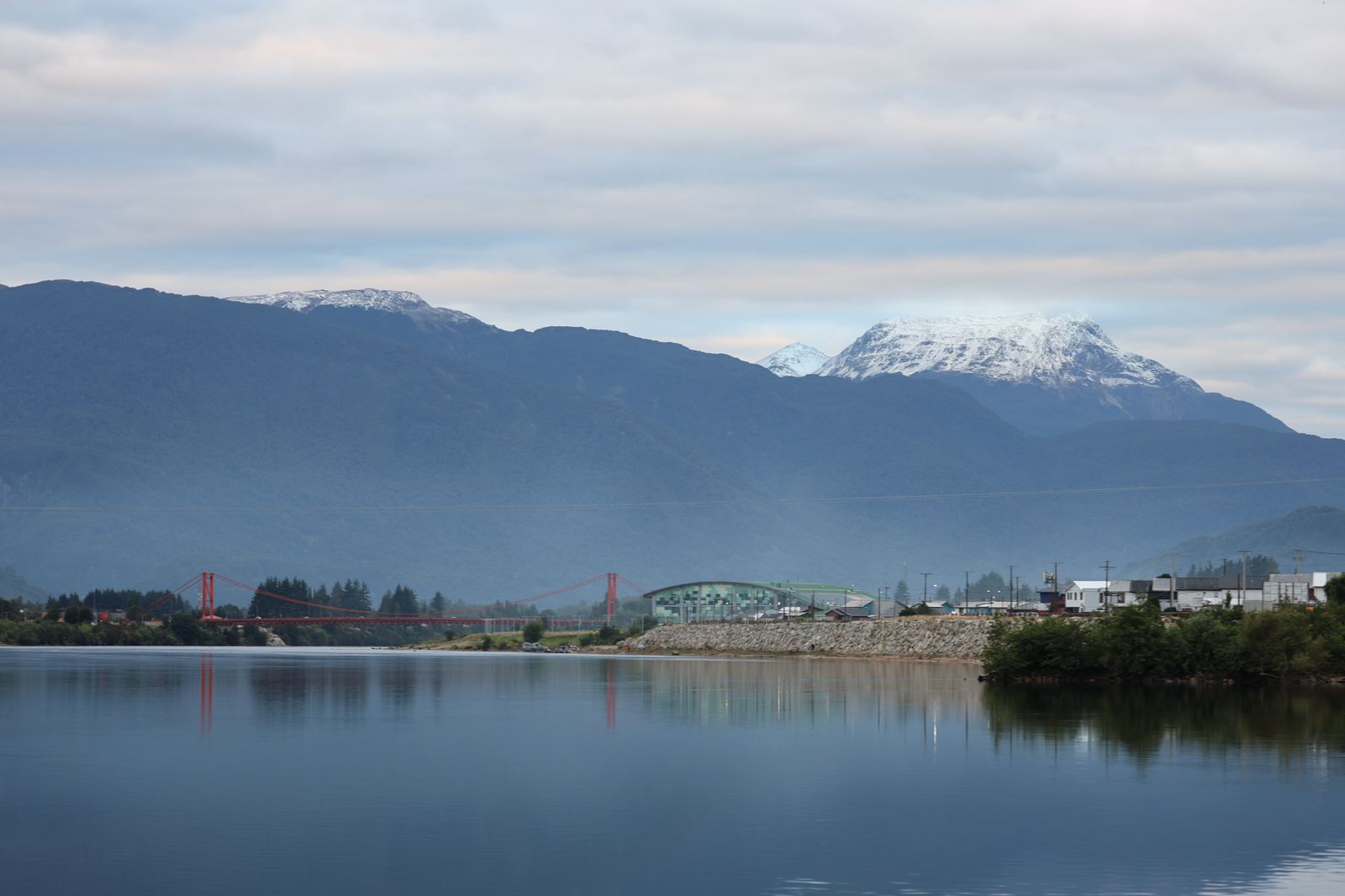
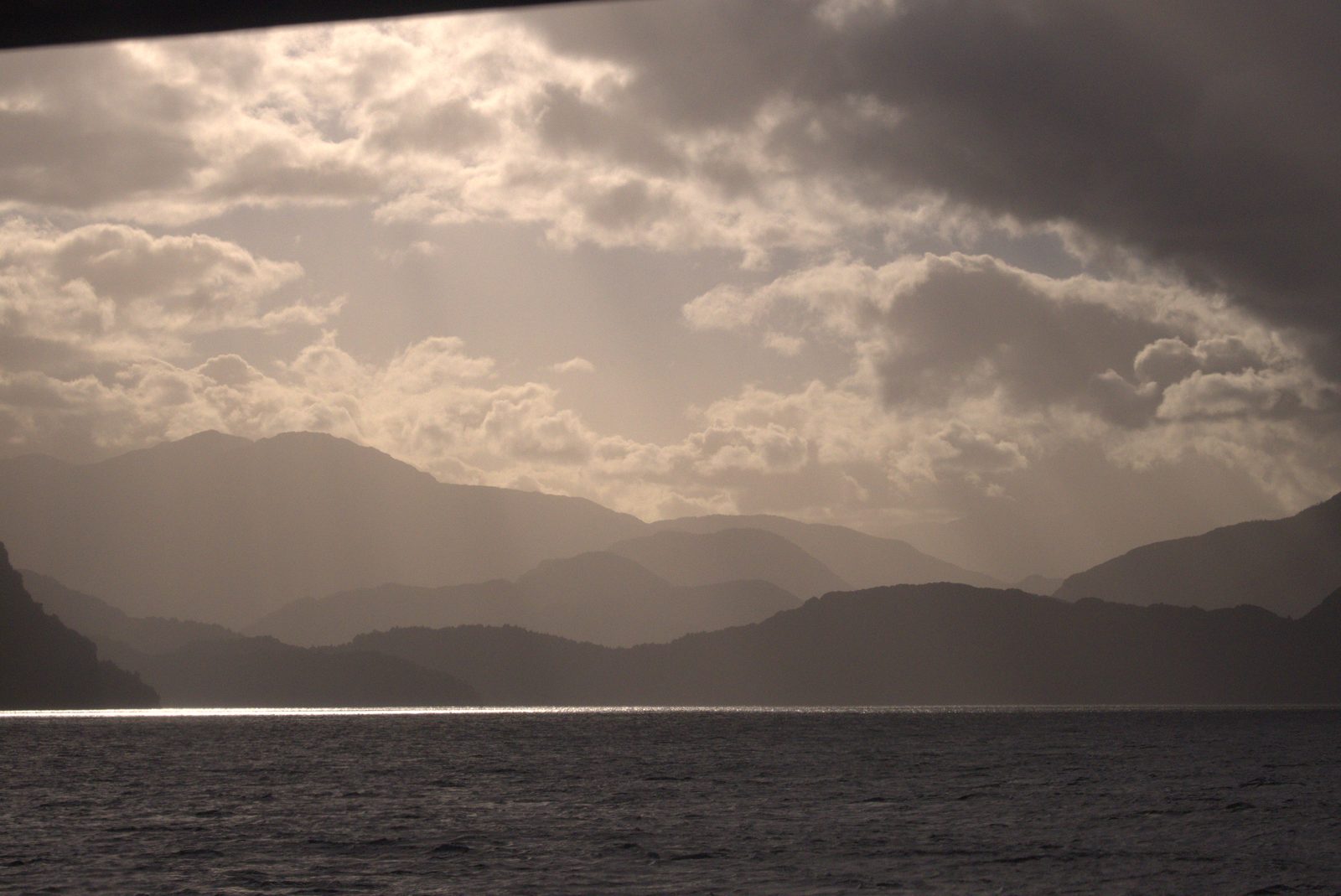
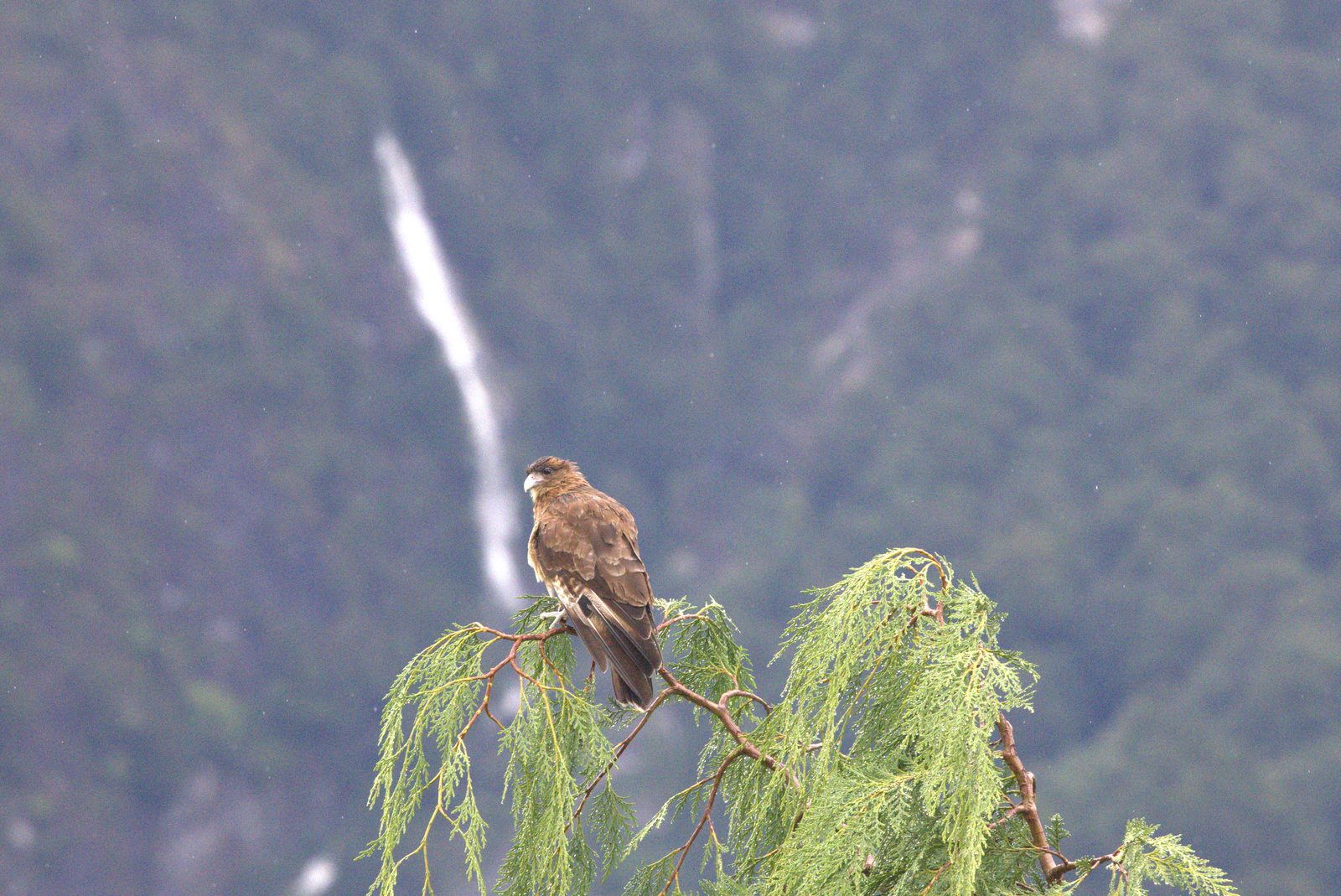
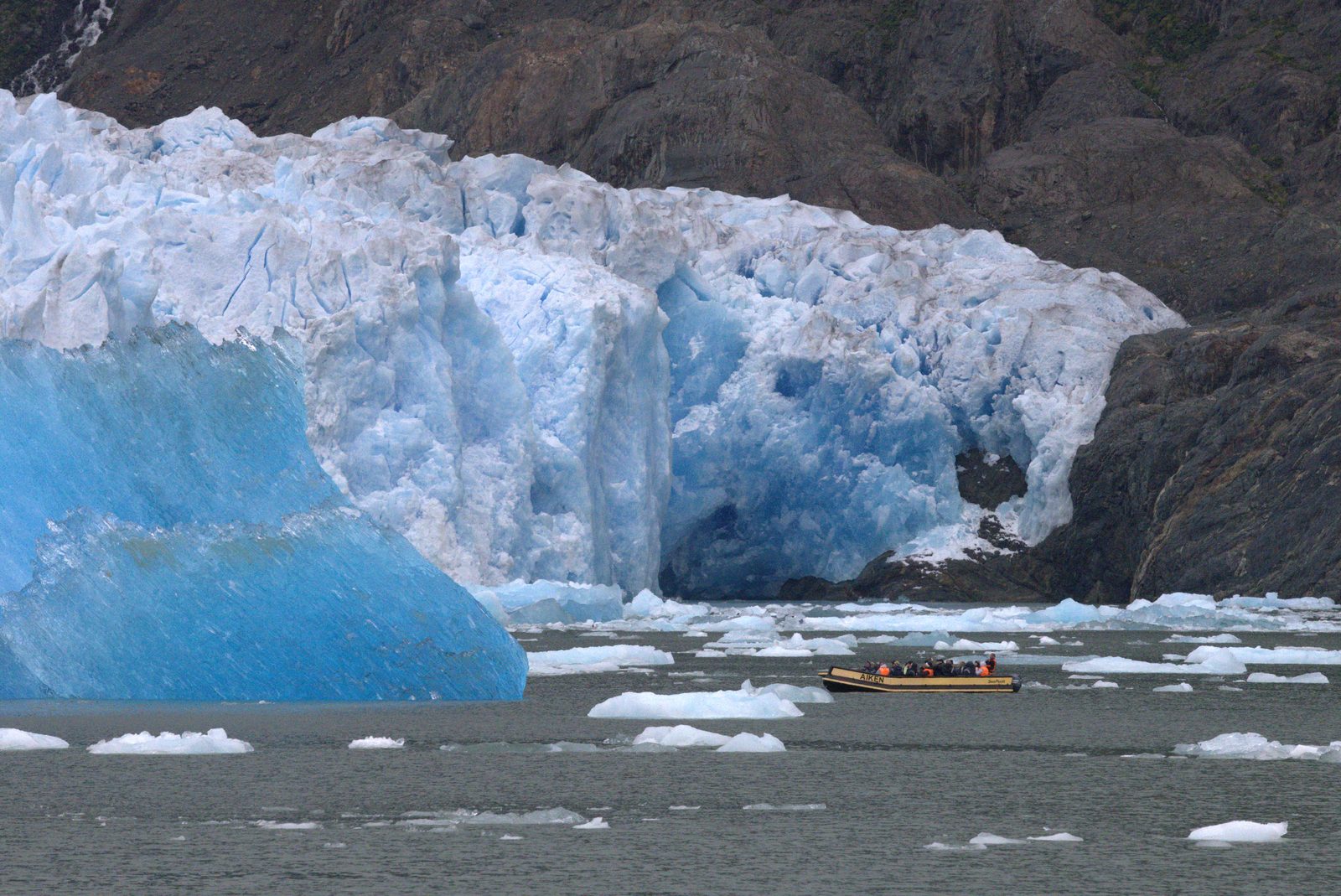
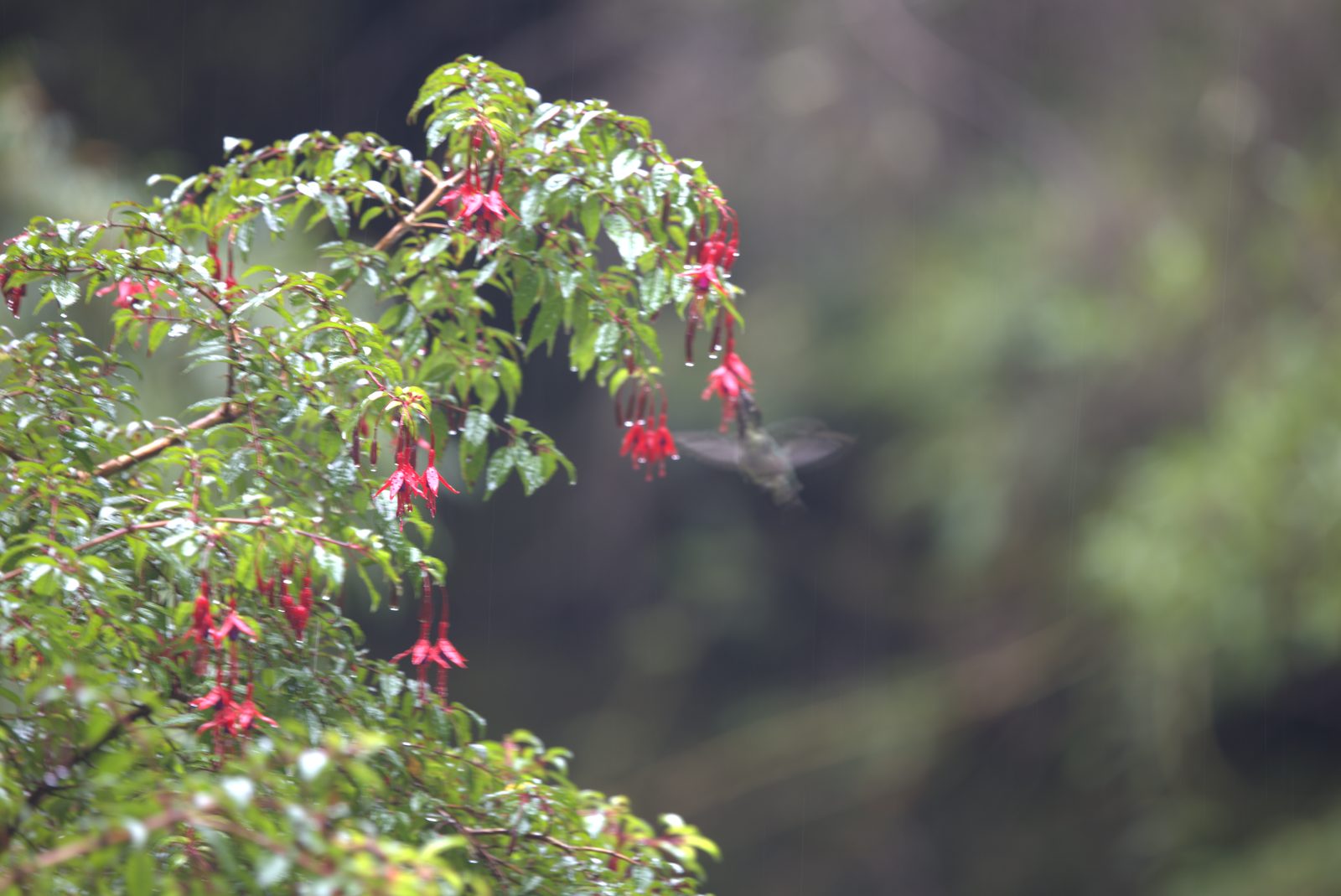
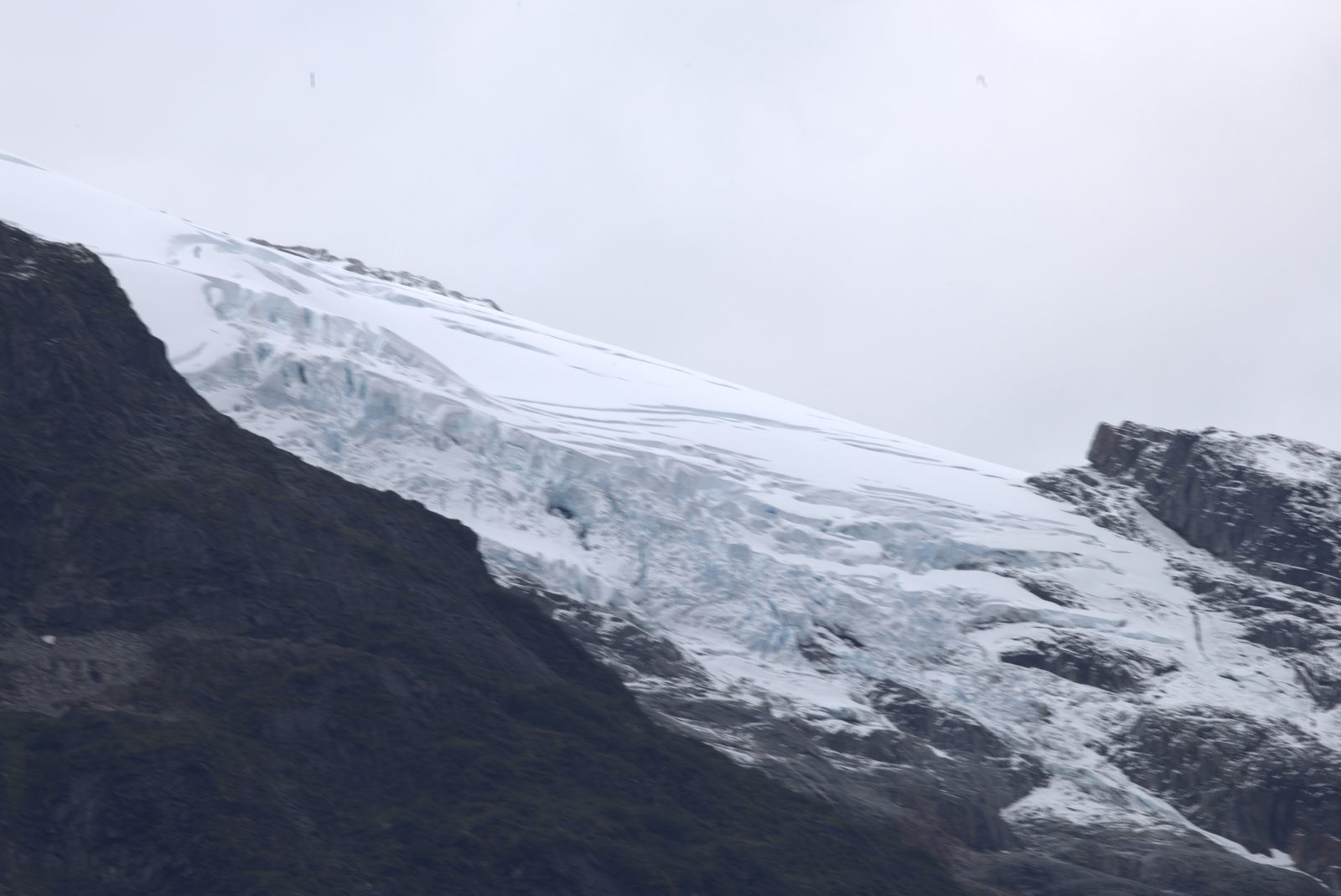
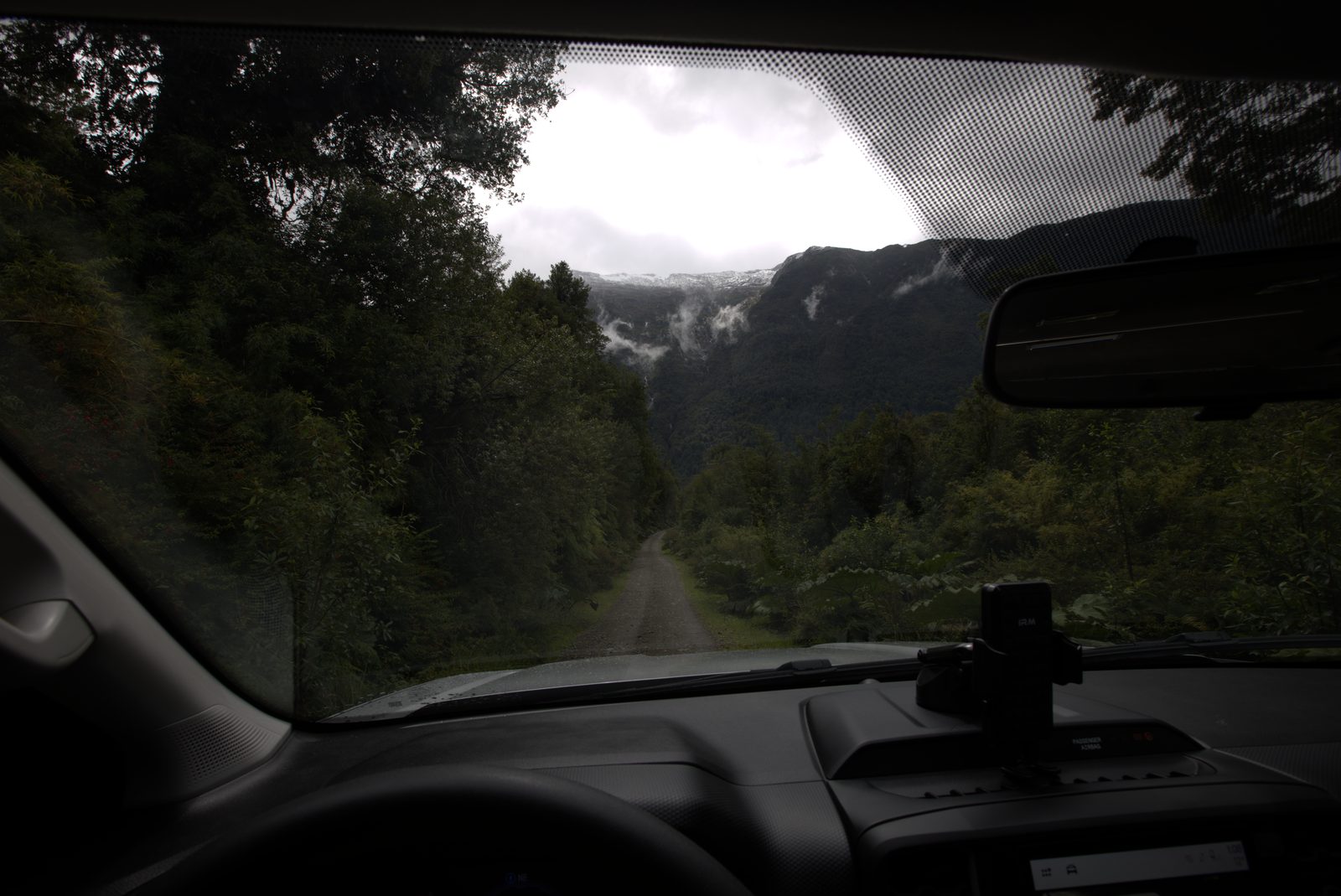
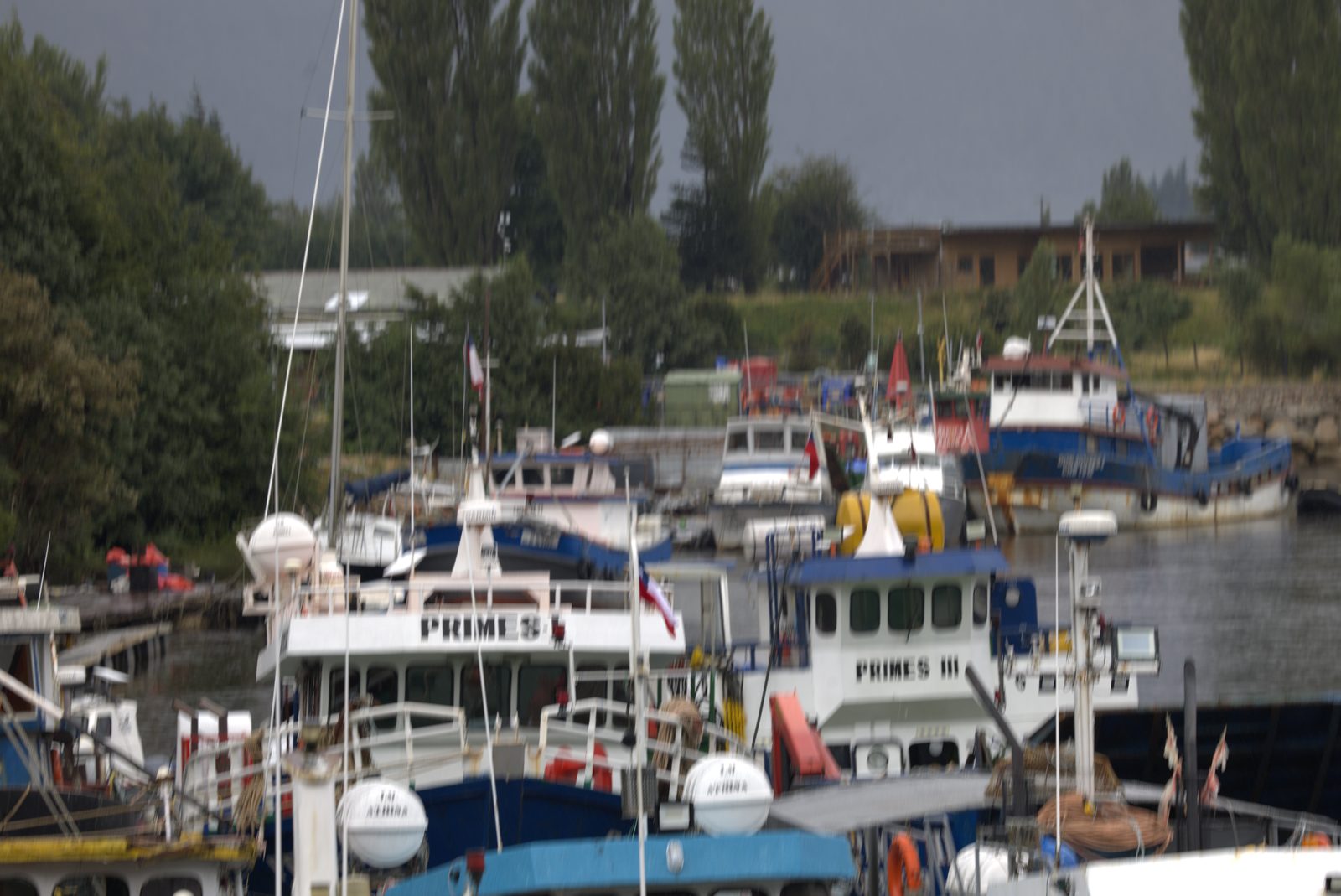
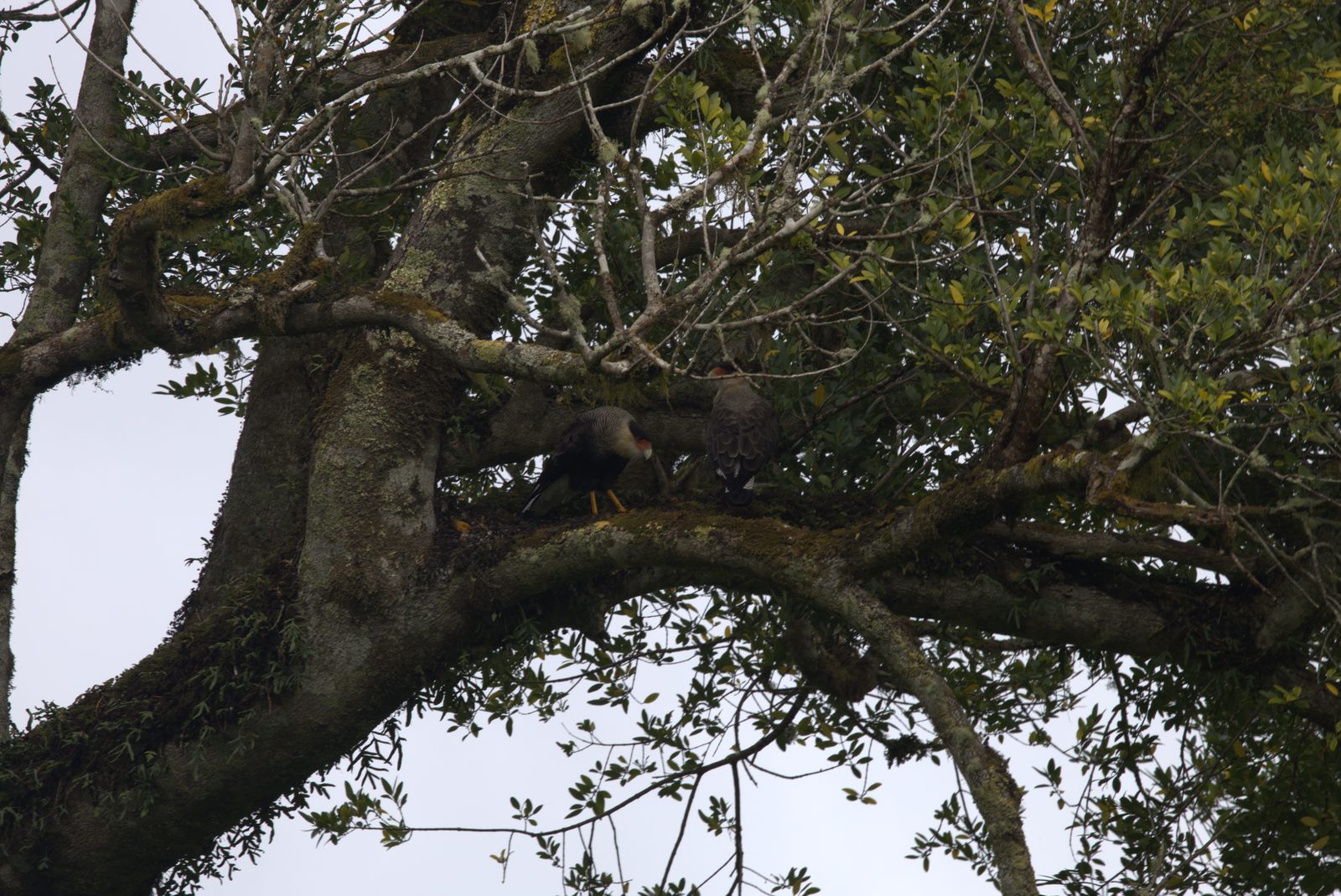
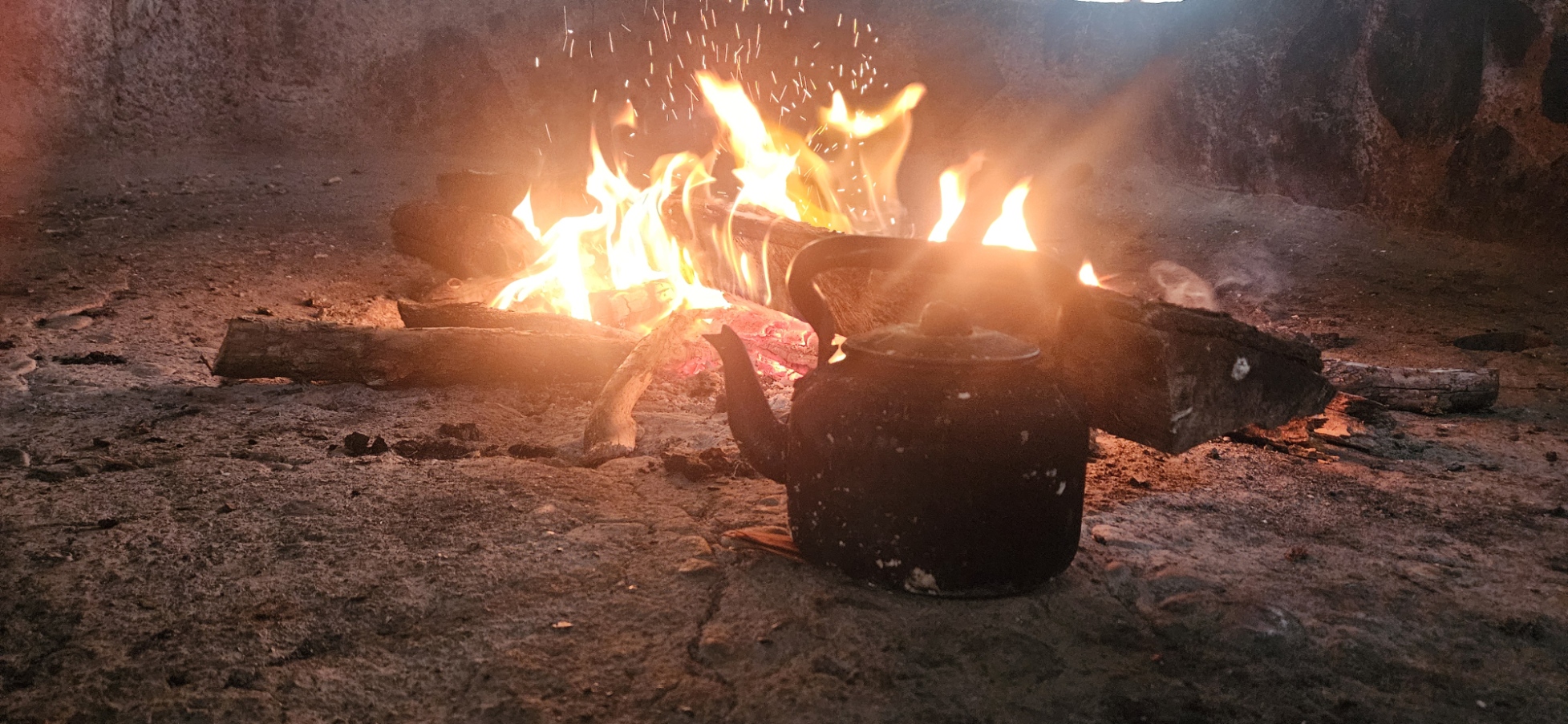
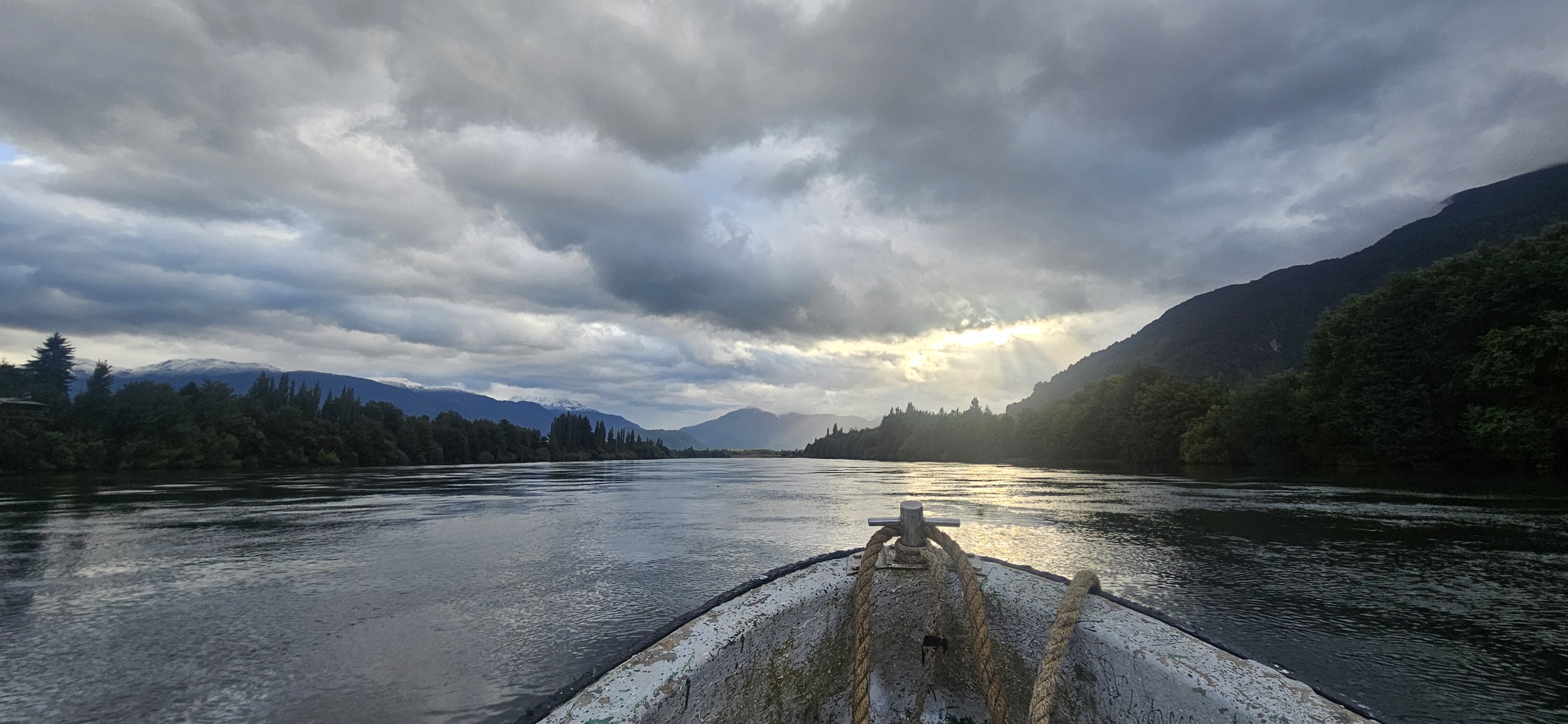
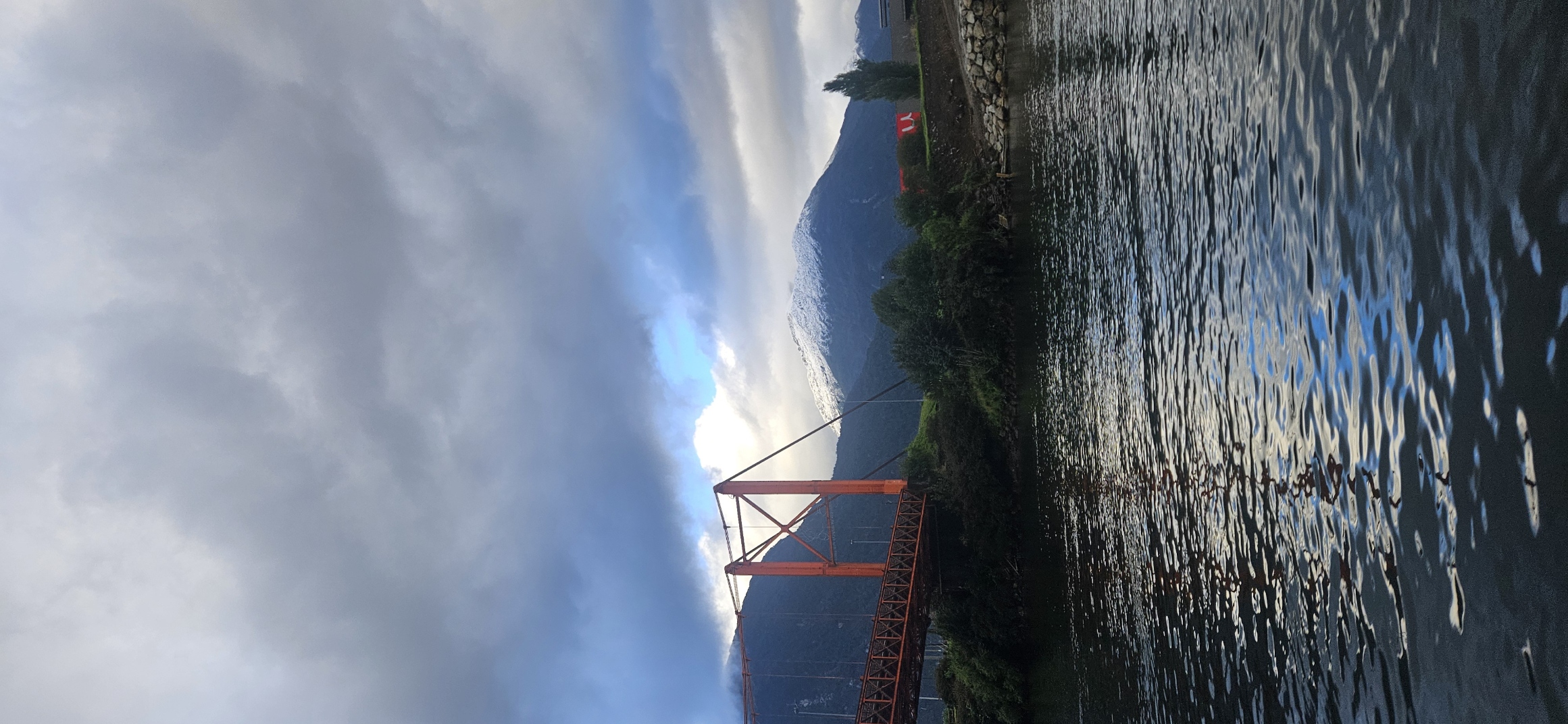
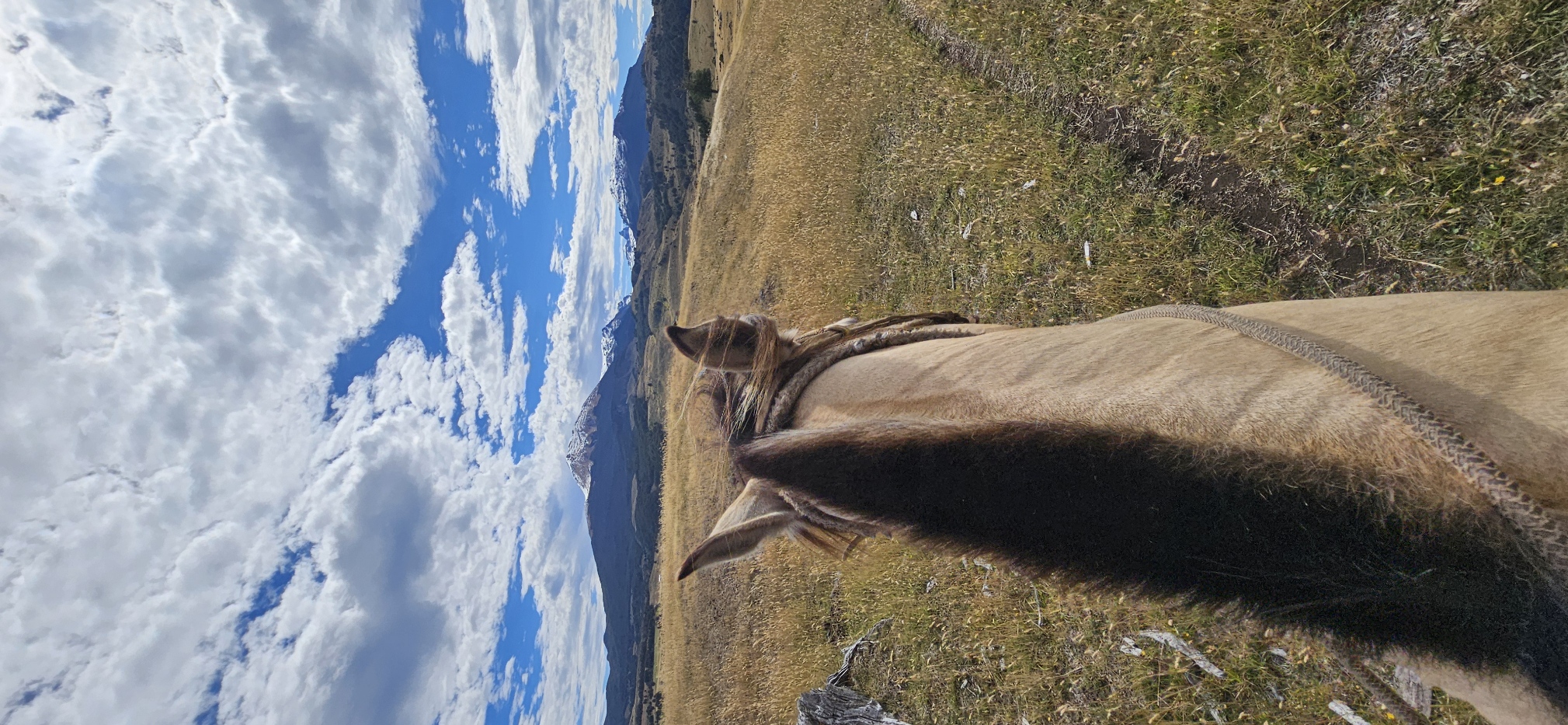
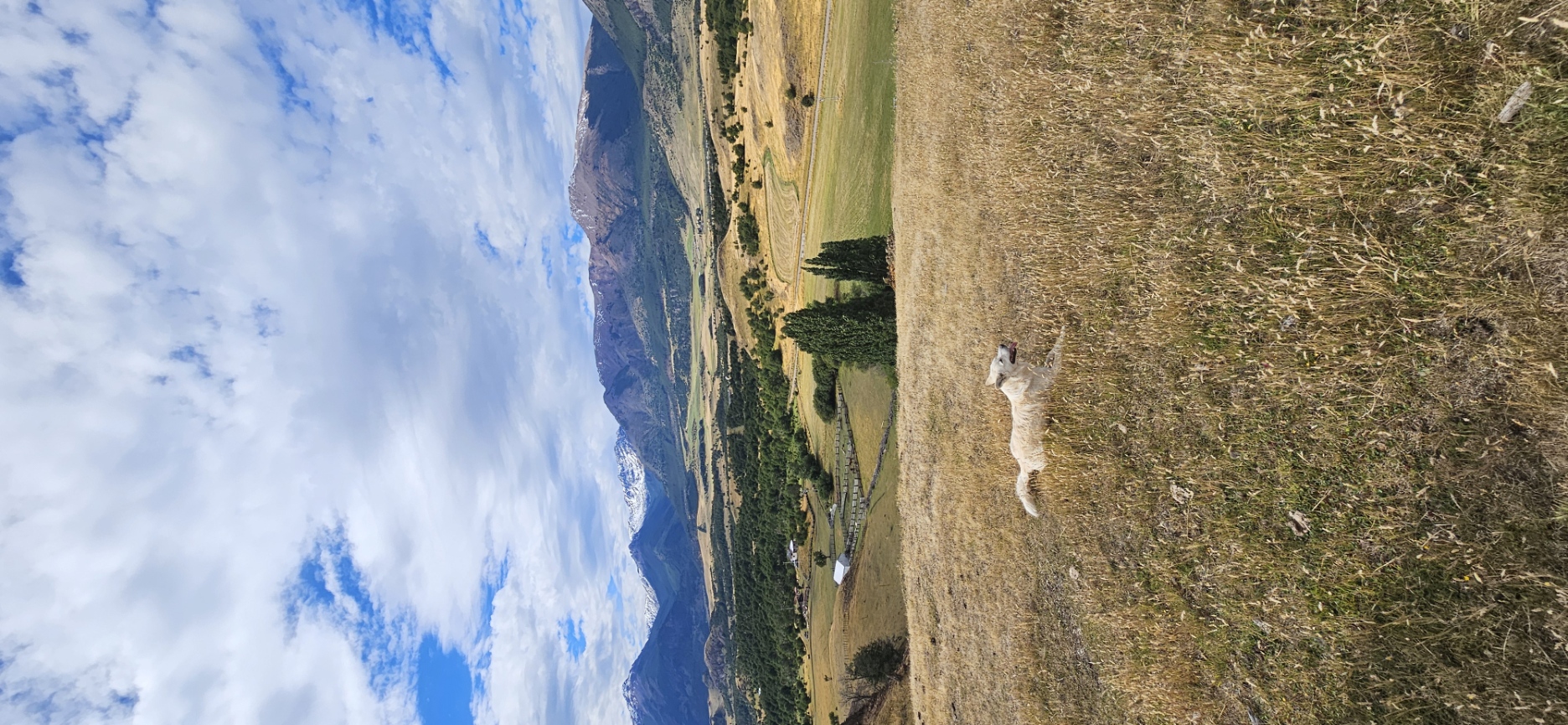
Unedited shots from the expeditions. No filters, no retouching — just the raw beauty of Patagonia, exactly as you'll see it.
days in the field
participants
founder price
expedition window
The expedition takes place in a geographically isolated fjord where signal fades, roads end, and the only way forward is by boat. This is not a conventional tourist trip.
Each phase covers a different landscape type and movement dynamic. The program remains flexible based on weather and regional conditions.
Laguna San Rafael
Glacier lagoon, northern glacier field, boat transfer.
Queulat · Aysén Fjord
Ventisquero Colgante, temperate rainforest, fjord navigation.
Remote thermal springs
5 km forest approach to thermal sites off standard routes.
Interior of Aysén Region
Move to open landscape, Patagonian steppe, rivers.
This isn't the price of a product. It's the price of restraint, preparation, responsibility, and return. Where the money goes and why — on a dedicated page.
Founder Edition
$4,800
USD per person
= $400/day all-inclusive
Q1 2027 · six spots
Standard price
$5,800
USD per person
= $483/day
From 2nd edition onwards
Four principles · where the money goes · comparison · FAQ
Non-binding application · 90-day full refund policy
Morning begins without an alarm. You're woken by silence so deep you can hear your own breath. Outside, mist rises from the fjord and the rainforest walls dissolve into white.
Breakfast on the boat. Fresh bread, coffee, fruit. The captain points at the map — today we're heading to a bay you can't reach by land. Not from anywhere.
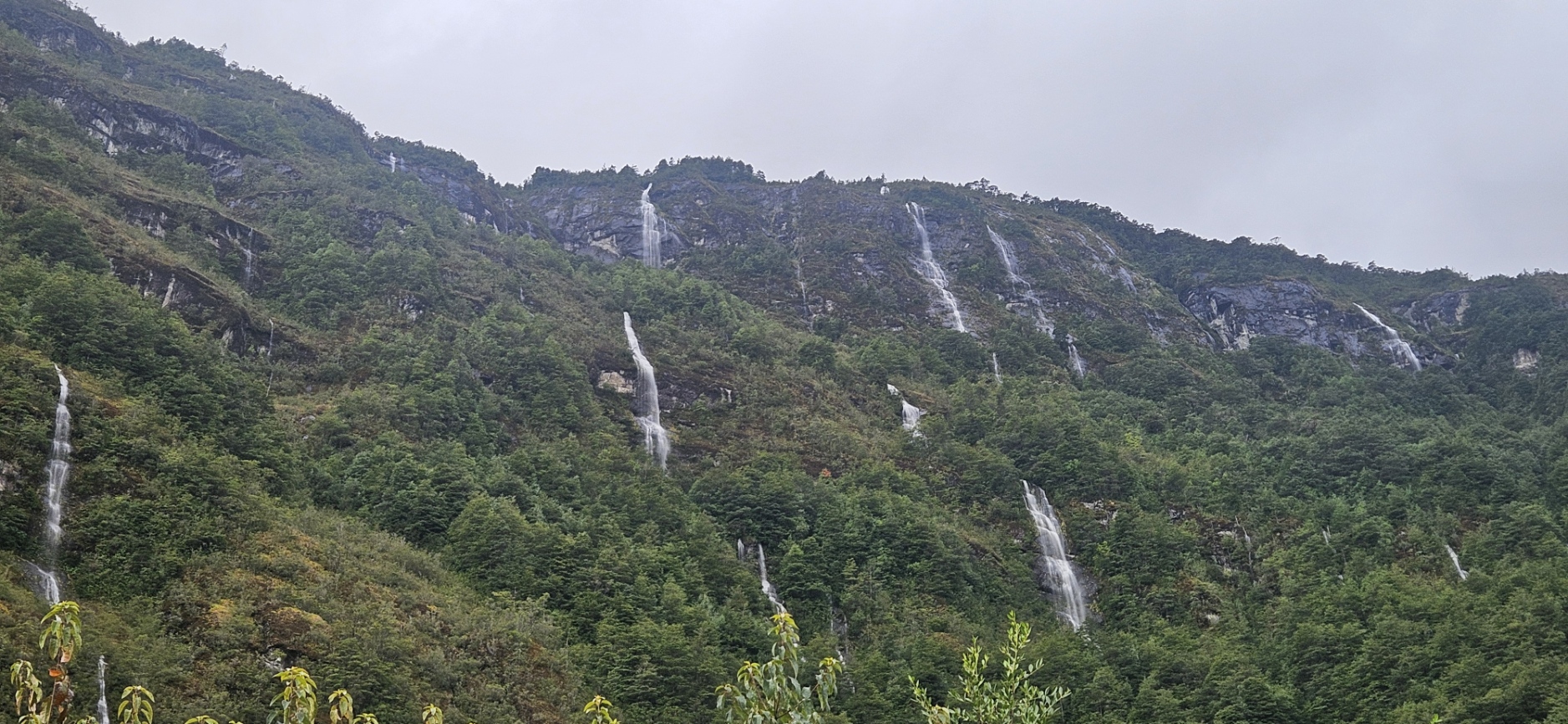
The boat stops beneath a waterfall that plunges straight from the rock face into the sea, where the crew fills the freshwater tanks. You step ashore and enter the rainforest. The trees are a thousand years old. The air smells of wet bark and moss. Light filters through the canopy and you feel your breathing slow, your thoughts quiet down. Science calls it "shinrin-yoku" — a forest can lower cortisol levels, slow your heart rate, and shift your nervous system into a mode most people never experience. Here it's not theory — you feel it in your bones.
Lunch in the bay. Fresh seafood — centolla crab, sea urchins. Prepared right on the shore.
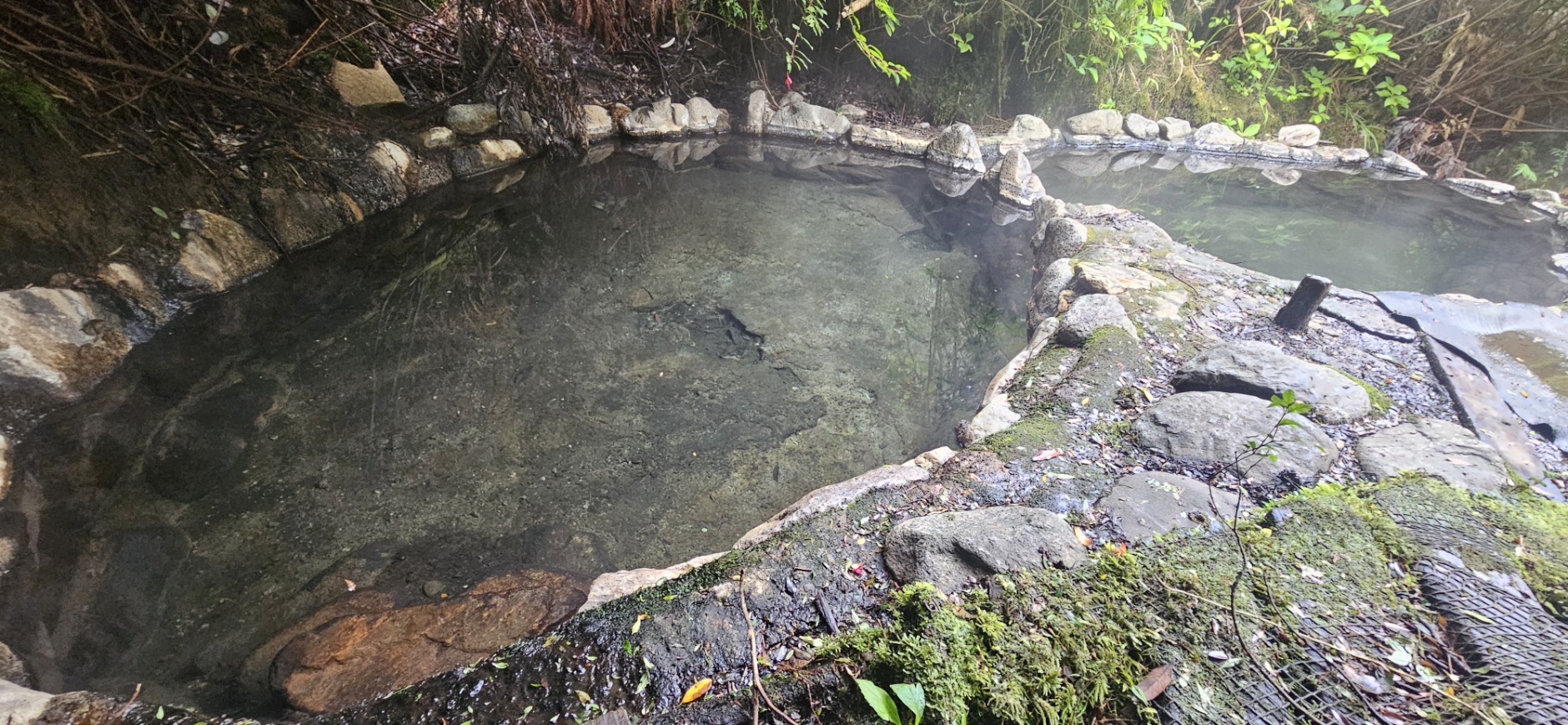
Trek to the thermal springs. Five kilometres through forest on a trail that appears on no map. At the end, hot water in the middle of the rainforest. You sit neck-deep, absolute silence around you, looking up at the Andean peaks above.
Back on the boat. The sun is still high — in January it sets after ten. Dinner, conversation, wine. No Wi-Fi, no notifications. Just the fjord, people, and fire. You sleep in tents on the shore, in cabins on the boat, or in lodges by the fjord — don't look for five-star hotels with a spa out here. This is Patagonia, not a resort. And that's exactly why it works.
5 questions. 2 minutes. No right answers — just honest ones.
When was the last time you went more than 48 hours without your phone?
What do you miss more — adrenaline, or silence?
What does your ideal expedition morning look like?
What draws you most to Patagonia?
How many people should be on the expedition?
The Southern Patagonian Ice Field (Campo de Hielo Sur) is the third largest contiguous ice mass on Earth — after Antarctica and Greenland. It spans 13,000 km².
The Aysén region hides the Valdivian temperate rainforest — one of the oldest ecosystems on the planet. Some trees (Alerce) are over 3,600 years old. Spending time in this type of ancient forest measurably lowers blood pressure, boosts immunity, and induces a deep calm that lingers for days after you return.
Aysén's fjords are home to the Chilean dolphin (Cephalorhynchus eutropia) — one of the rarest and smallest dolphins in the world. Only a few thousand remain.
Hudson Volcano (1,905 m) sits right in the Aysén region. Its 1991 eruption blanketed an area larger than Belgium in ash. Today it's quiet, but still active.
A 1,240 km road built during the Pinochet era in the '70s–'80s. Still partly unpaved today. It connected isolated settlements that were previously reachable only by boat or plane.
Lago General Carrera — the second largest lake in South America — holds the Marble Caves (Capillas de Mármol), whose blue walls were shaped by water over 6,000 years.
Twelve days without signal changes the way you look at your life. Not because the fjord is beautiful — but because the silence lets you hear things that everything else drowns out.
You'll return with a clarity that no coaching, retreat, or meditation app can give you. Because this isn't about techniques — it's about the fact that for the first time in a long while, you have nowhere to escape your own thoughts.
People who run companies and teams often say the greatest value of the expedition wasn't the landscape — but what they realized when they were alone with themselves in the middle of nothing.
Most of our participants are not professional adventurers. They are people with successful careers, functioning lives — and a quiet suspicion that there is something no meeting, vacation, or new project can give them. You don't need special gear. You need the willingness to let yourself be pulled out of what you know for twelve days.
"Rather clear boundaries upfront than disappointment in the field."
"For years I sat in a server room fixing other people's networks. Then my son was born — and I realized I didn't want him to know me as a guy who spent his whole life staring at a screen. I left IT, went back to what always pulled me outside — and then came the Aysén fjord."
Military training at nineteen. Years in IT as a systems administrator — servers, networks, windowless rooms. When my son was born, I left IT and went back to what made sense from the start: outside, in the field, among people. Twenty years of solo travel — from Java before the tourists to free-diving with orcas in Tromsø — taught me one pattern: people arrive, infrastructure follows, and the thing you came for disappears.
Aysén today is where those places were twenty years ago. Raw, inaccessible, authentic. That's why I bought land in the region, built connections with local fishermen and boat captains, and now I'm opening it — carefully — to a small group of people who will appreciate it and not spoil it.
The people who write me about Patagonia tend to fall into one of two groups. The first has never seen it, but senses that if they go, they want to go right. The second has driven through it and came back with the feeling that something stayed out of sight. This expedition is built for both — because both are after the same thing. A layer you can't reach from the road.
1. Restraint. I don't take more people than the place can carry. Six, not fifteen. That's why it costs what it costs — and why it still looks the way it looks.
2. Preparation. Before I take anyone in, I've been there myself. I know where the signal is and isn't, who's a local captain and who's a tourist with a boat. Plan B means another Plan A — not improvisation.
3. Responsibility. For you. For the place. For the people who live there and will still be there after we leave. You pay me, but most of the money goes local — to captains, fishermen, and families who host us.
4. Return. The point isn't to conquer the place. The point is to come back different — with something that stays with you on Monday at the screen.
I don't enter the field to defeat it. I enter it to leave it different.
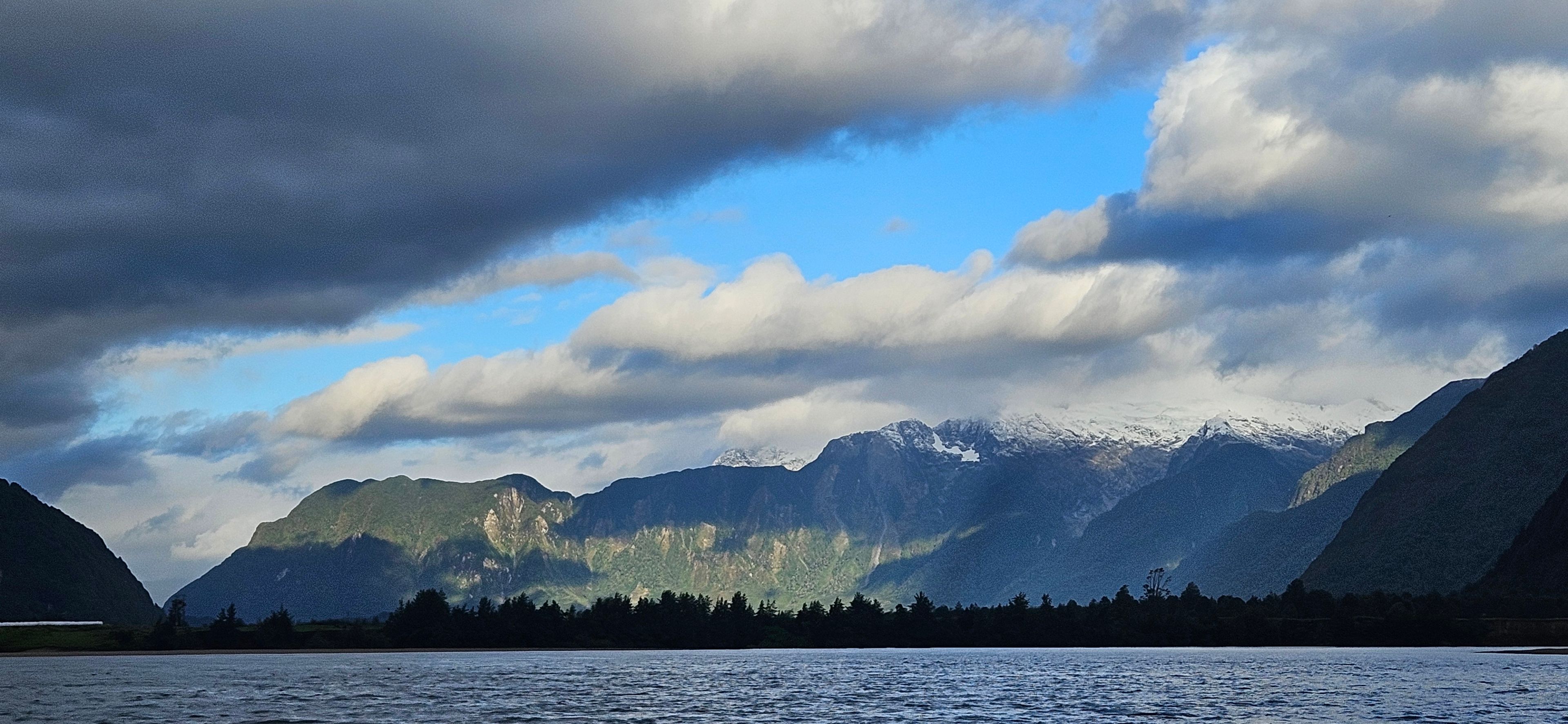
Whether you're planning your first trip to Patagonia or coming back for a deeper layer, here are three coordinates worth the detour — even if you never book with us.
~45°38′S · 73°51′W
What the Carretera misses: access only by boat through a channel the tourist cruises skip — and it's the one angle where you see the glacier face up close, with no other boats around.
North of the main springs · ~2 h by boat
What the Carretera misses: you can't drive there and they're not on any map. I found them through a local fisherman on the second scouting trip.
GPS withheld on purpose
What the Carretera misses: a place you only reach by invitation from the landowner. In other words — that one, I'll take you to myself.
No form, no email. Just three coordinates. If you want to use them on your own, great. If you'd rather walk them with someone who already has — you know where to find us.
No forms. No commitment. Fifteen minutes on the phone — we'll figure out if this makes sense for you and for us. If not, no worries.
You'll speak directly with Jaroslav. No sales team.
Applications for the founder edition close June 30, 2026
That's $400 USD per day all-inclusive expedition
From the 2nd edition: 5,800 USD ($483/day). Standard luxury expeditions in Patagonia: $600–900/day.
The founder price is a thank-you to people who believe in the project before the world sees it.
Boat transfers and fjord navigation · accommodation (tents, cabins, lodges) throughout · meals in the field · local guides · satellite communication · full logistics
Does not include: international flights and personal insurance.
Maximum 6 spots · participation subject to approval after a brief introductory call
Non-binding application · introductory call takes 15 minutes
Newsletter
News from the Aysén region, expedition updates, field photos and stories from Chile's deep south. No spam — just authentic content.
Unsubscribe anytime · max once a month